Marvel (MCU)Complete Watch Order Guide
The Marvel Cinematic Universe is the highest-grossing film franchise in history — a shared universe of superhero stories spanning six phases, 30+ films, and over a decade of interconnected storytelling. Release order is the recommended way to watch: the MCU was designed so that each film builds on the last, and the payoff of Avengers: Endgame only lands fully if you have followed the Infinity Saga from the beginning.
Marvel (MCU) Release Timeline
What order should you watch the Marvel (MCU) movies?
Release order — click any era to expand or collapse. All 36 released films shown below.
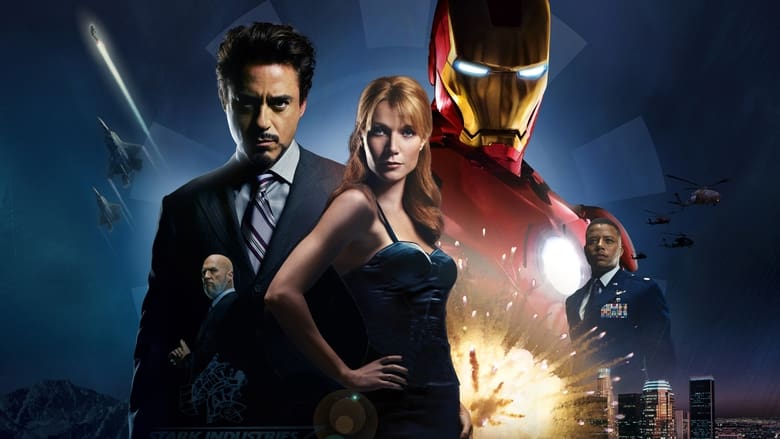
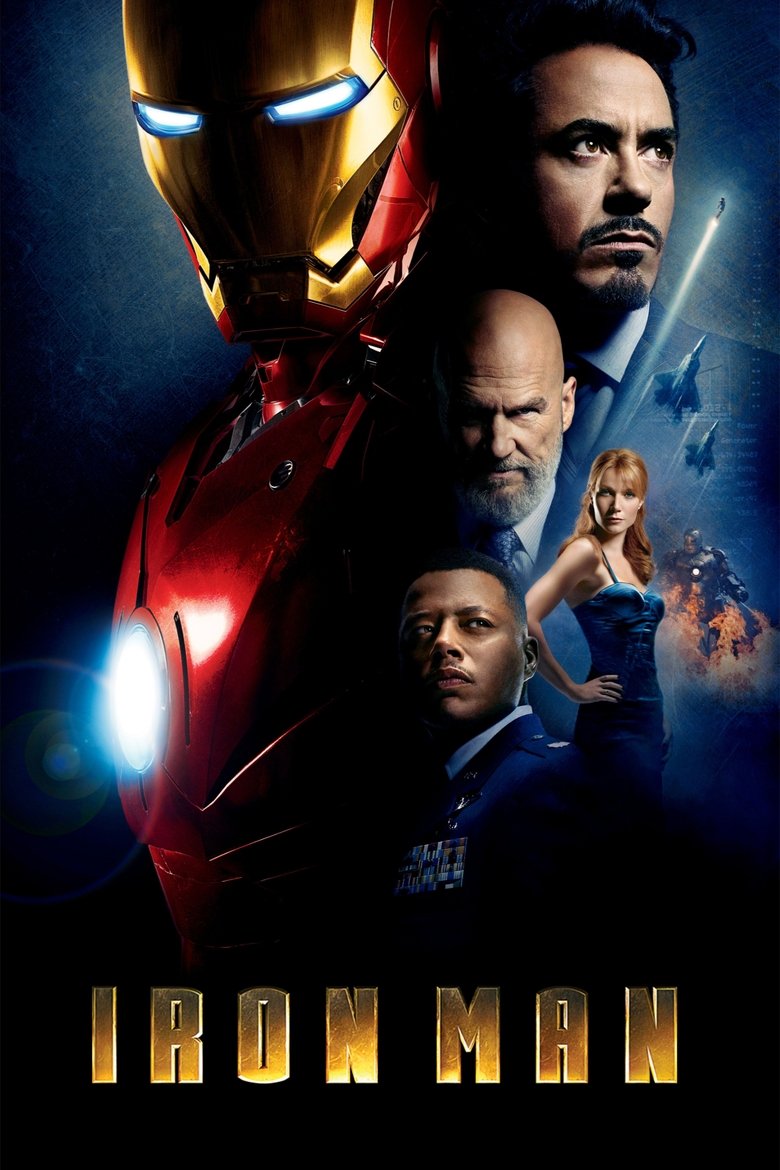
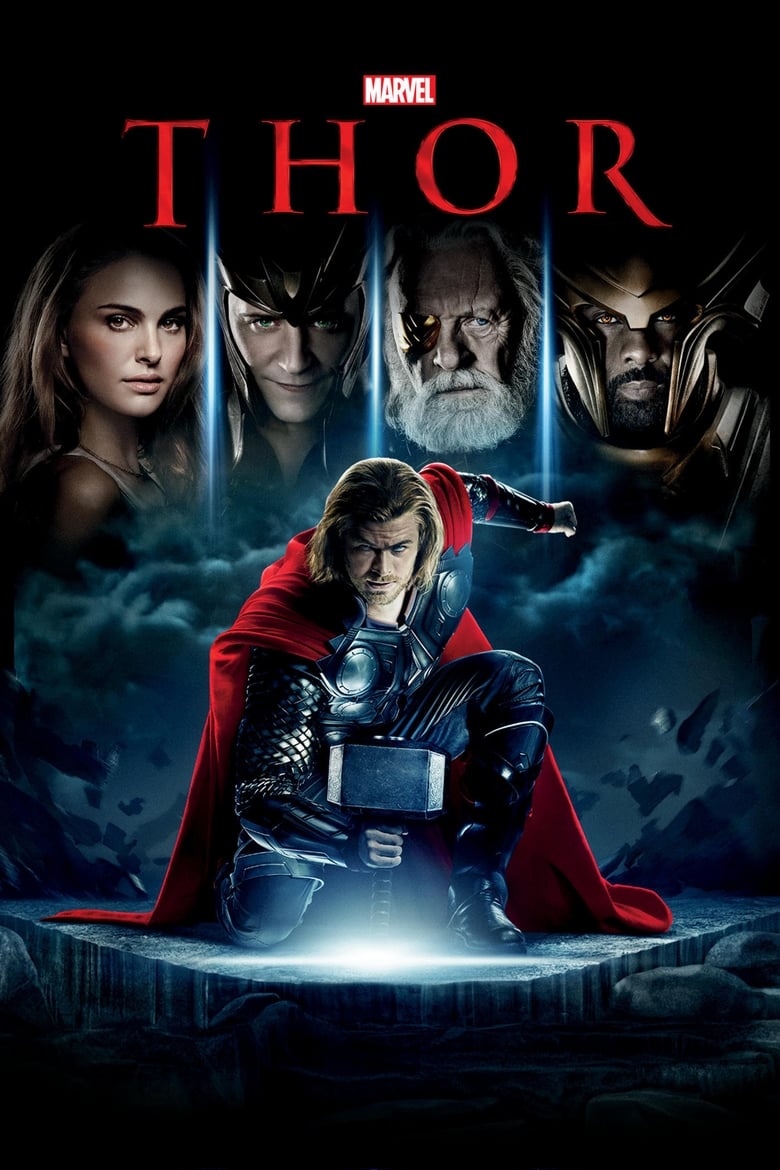
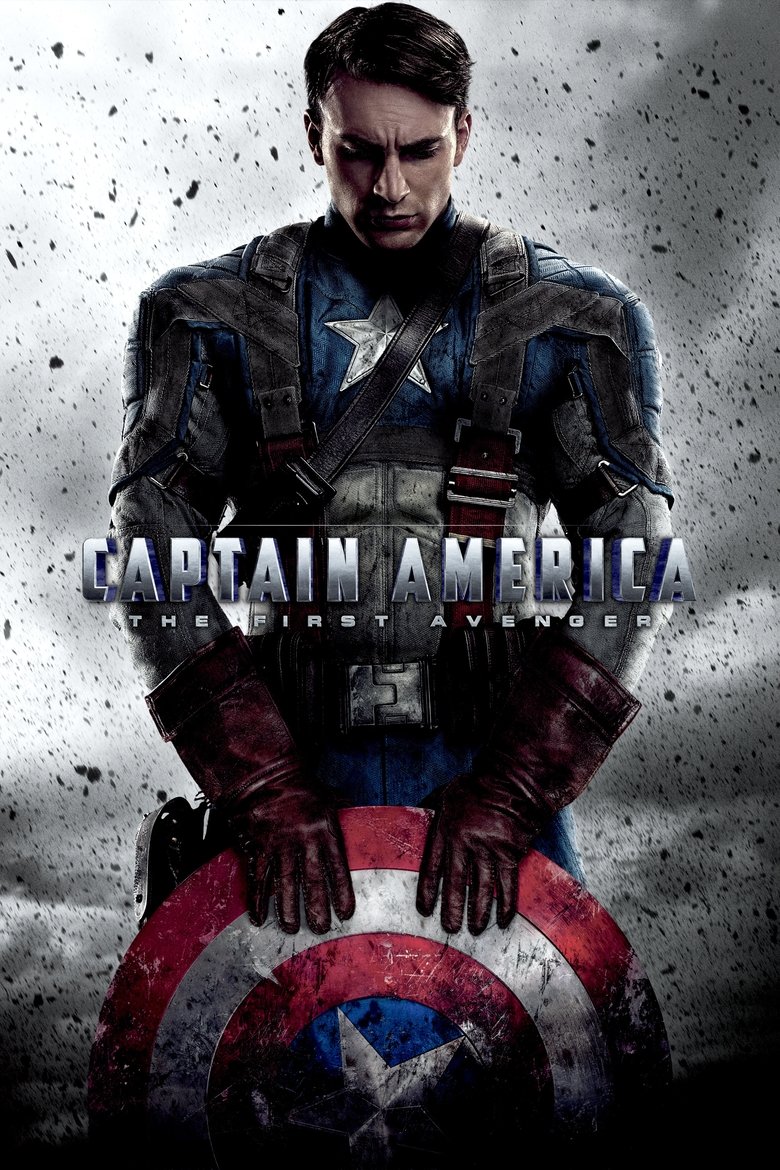
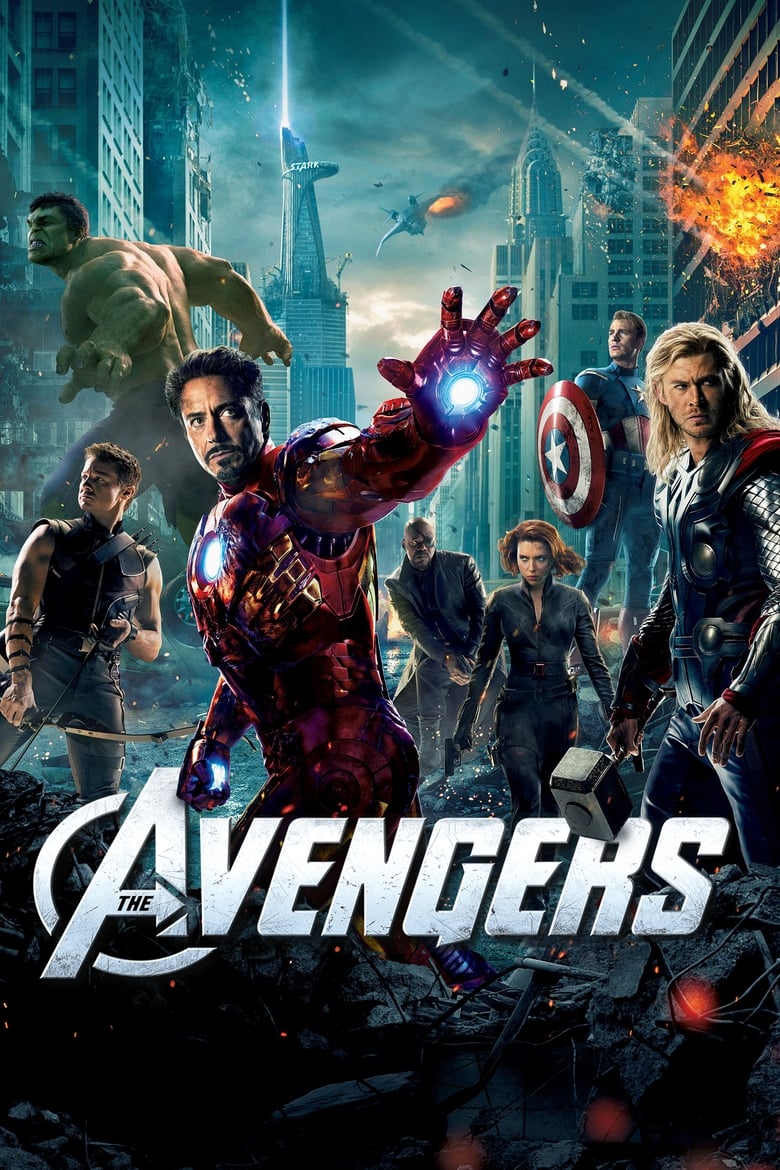
Phase 1 laid the foundations of the MCU, introducing each Avenger in their own solo film before bringing them together in The Avengers (2012). Iron Man (2008) launched it all and proved the shared-universe concept was viable. The six-film arc culminates in New York with Thanos teased for the first time in the post-credits scene.
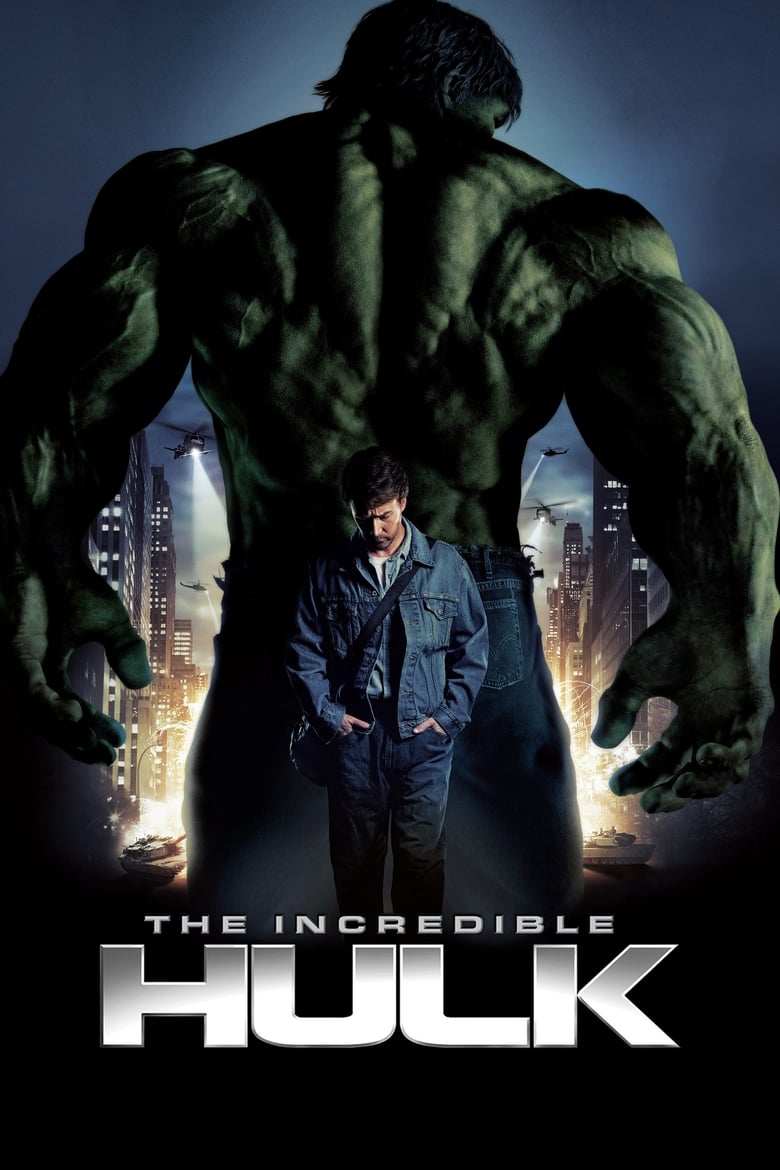
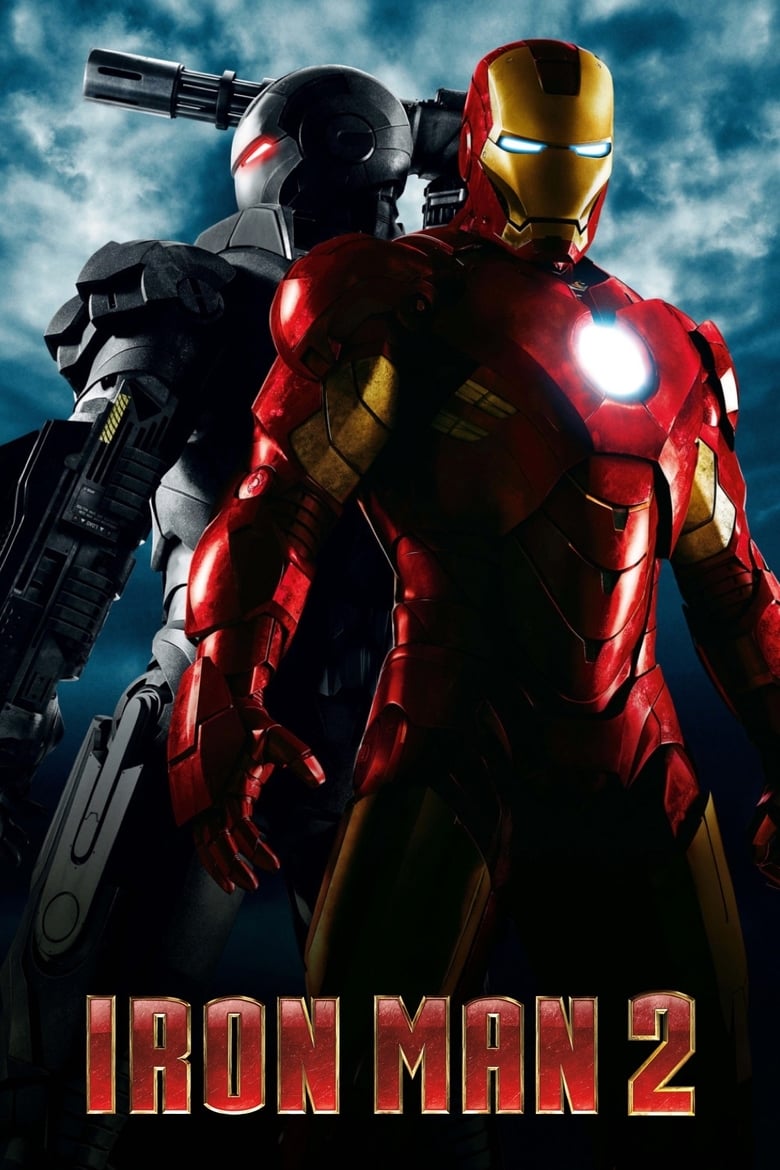
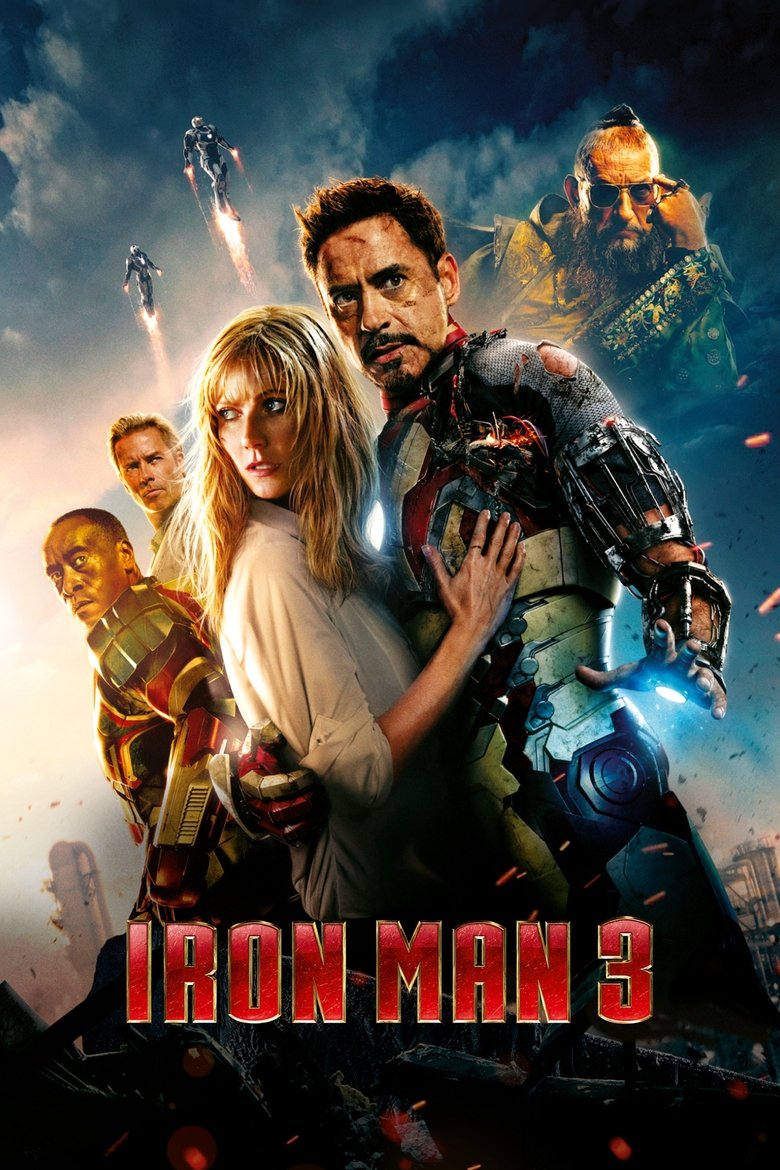
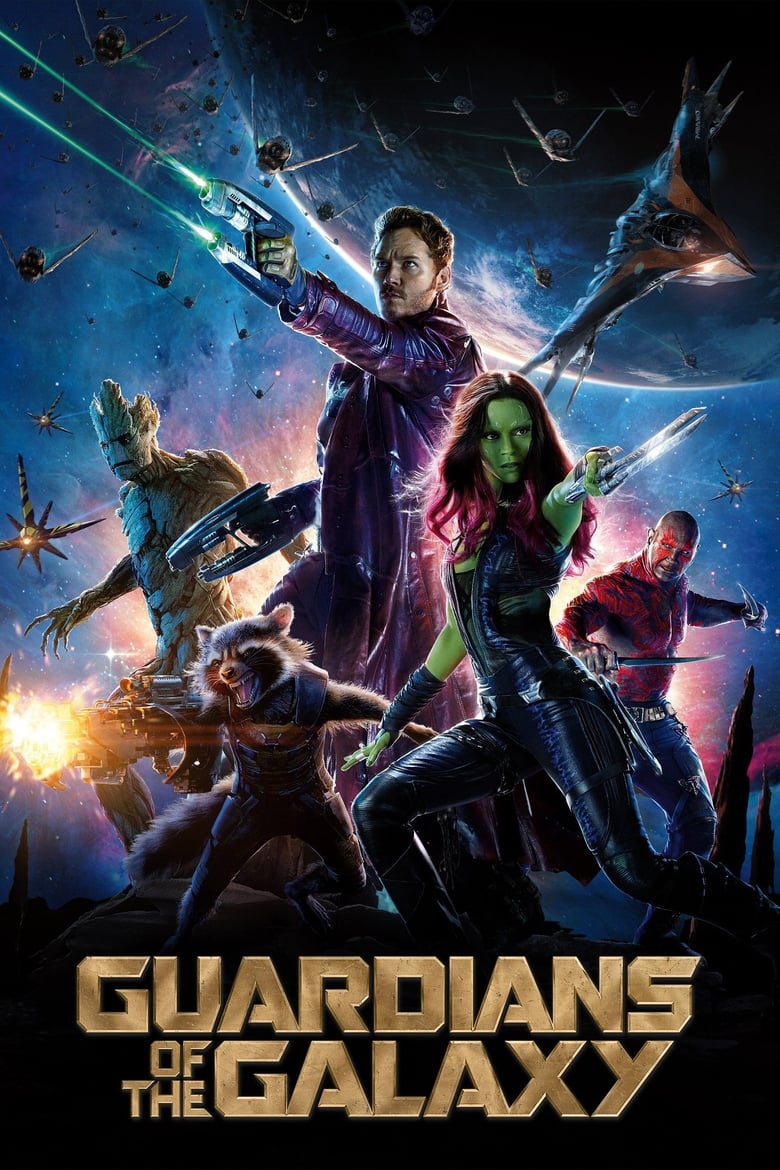
Phase 2 deepened individual arcs while expanding the MCU's cosmic scope. Guardians of the Galaxy (2014) took the franchise into space and became a surprise breakout hit. Captain America: The Winter Soldier is widely considered one of the MCU's best films — a political thriller that dismantles S.H.I.E.L.D. and reshapes the entire universe.
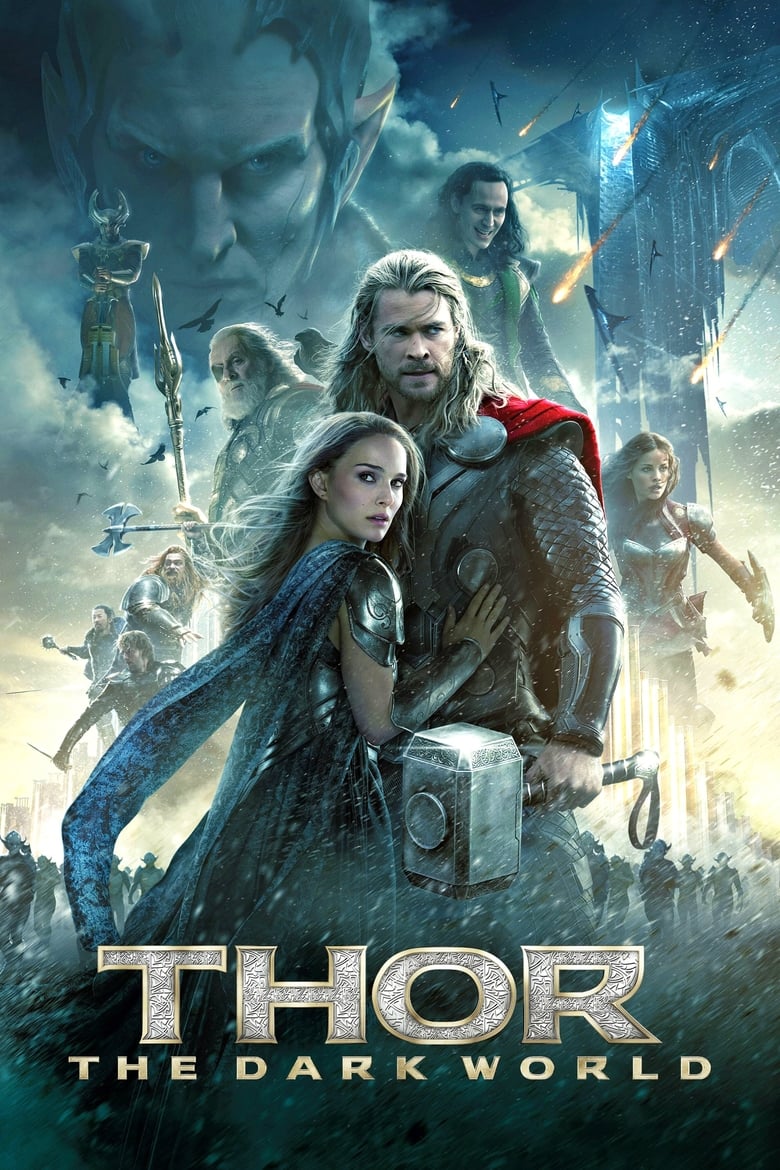

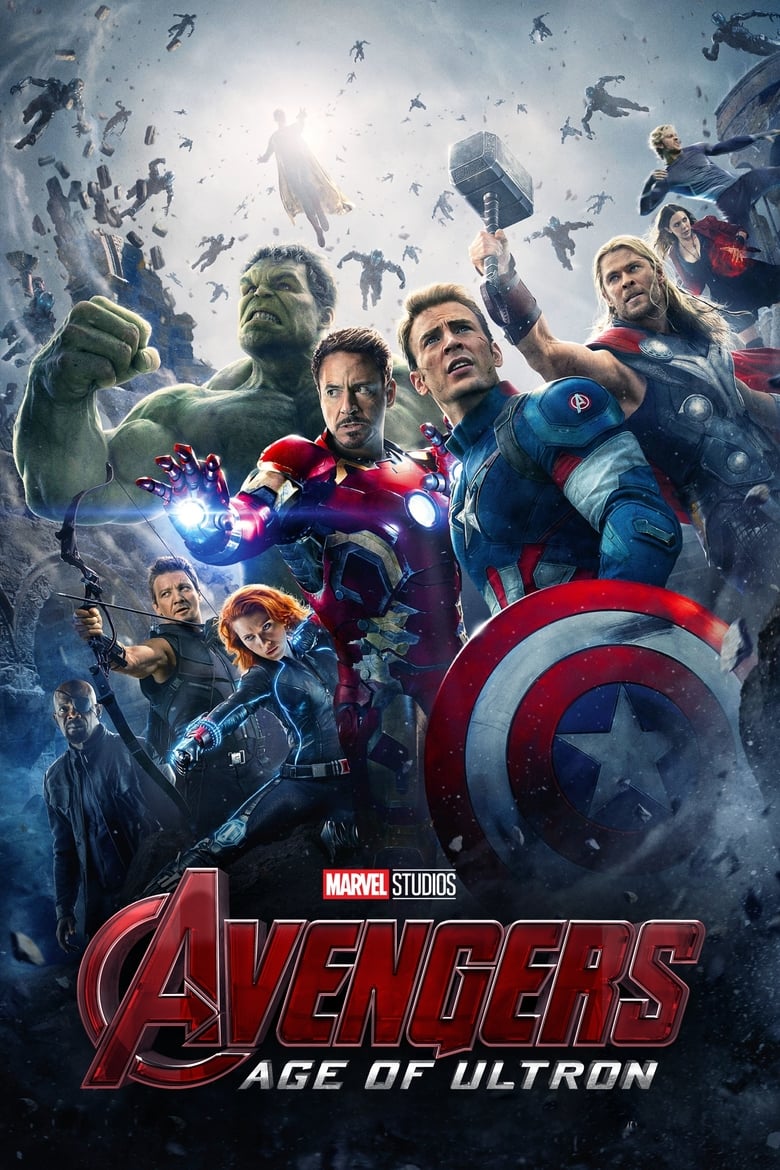
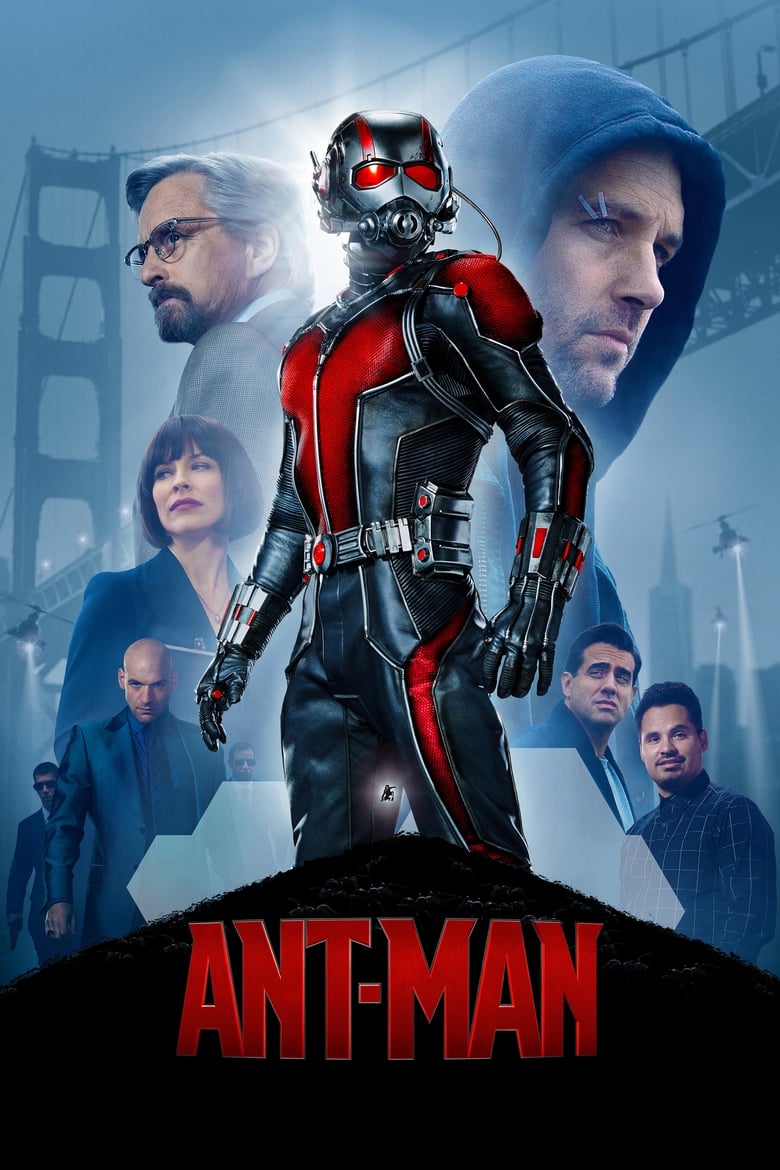
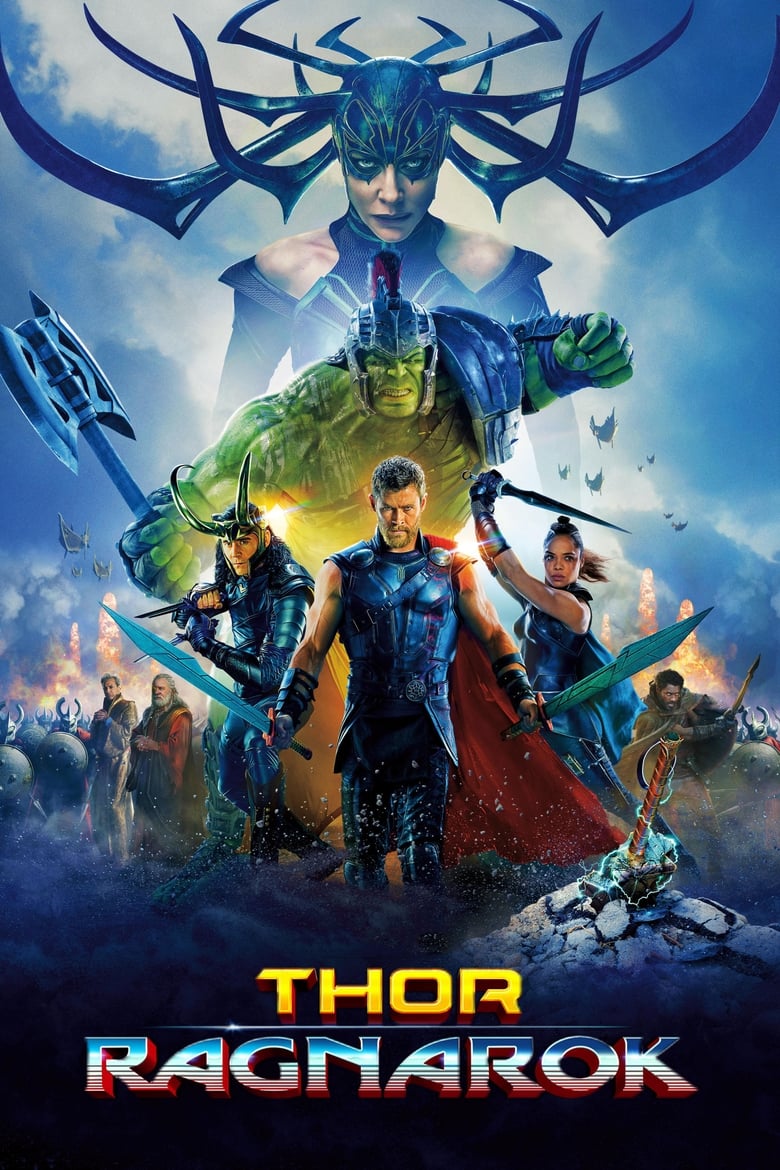
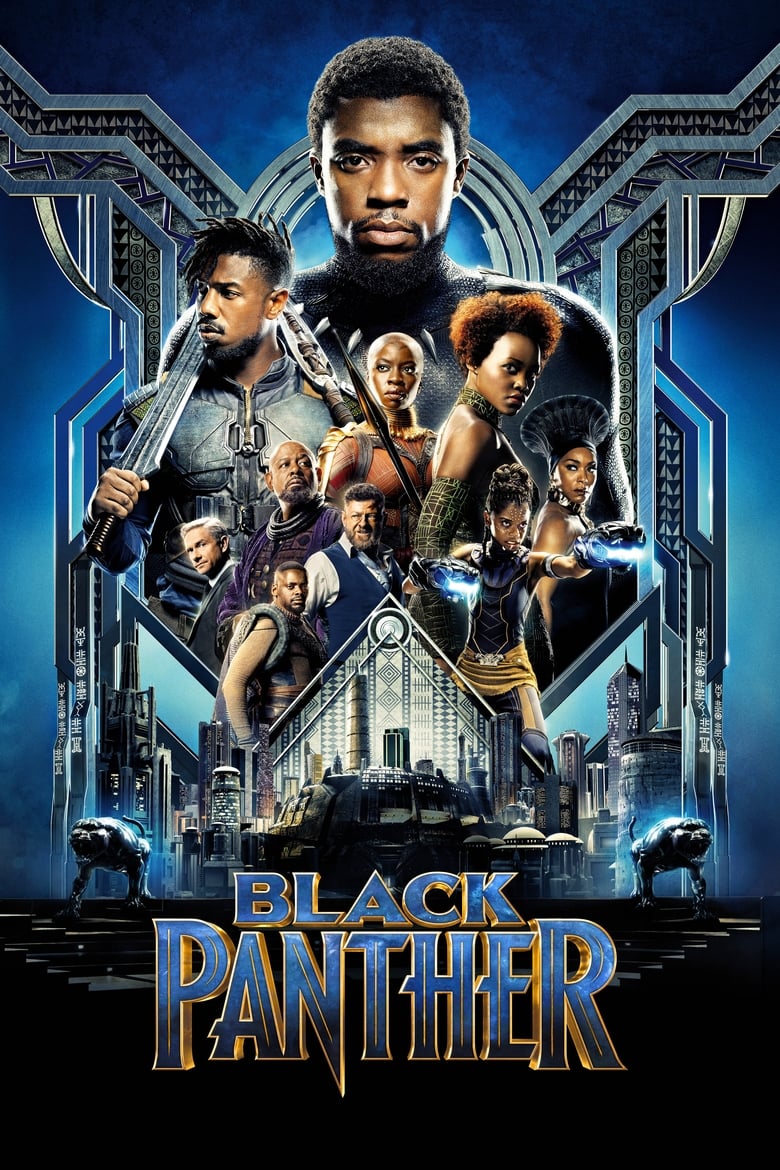
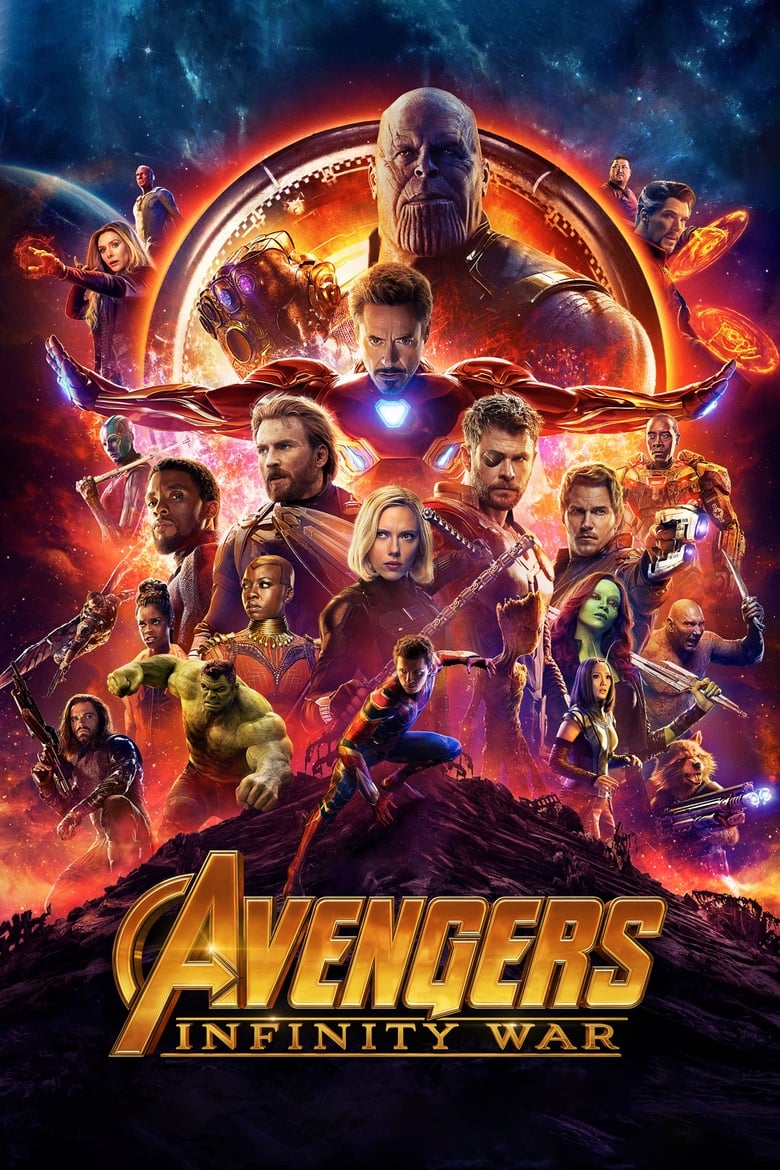
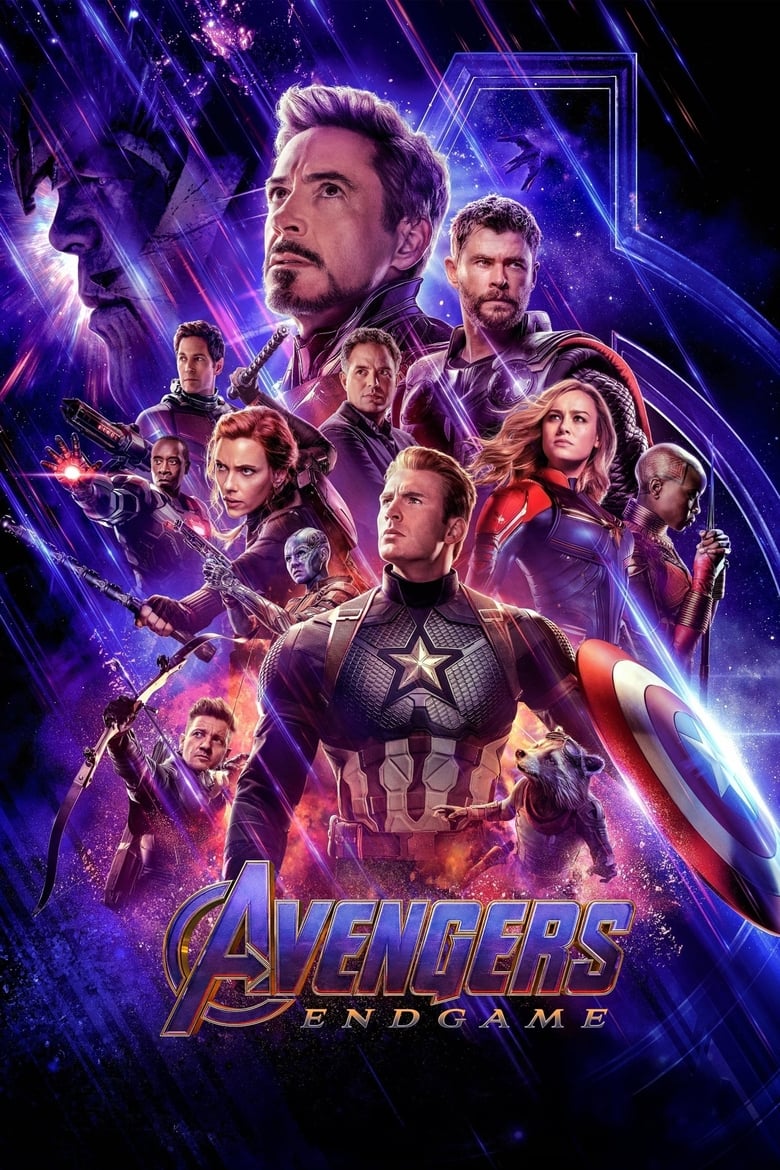
Phase 3 is the largest and most ambitious chapter of the Infinity Saga — eleven films building to the Thanos snap in Infinity War and its reversal in Endgame. Black Panther (2018) became a cultural phenomenon and the first superhero film nominated for Best Picture. Endgame (2019) was the highest-grossing film ever on release, a culmination of 22 films over 11 years.
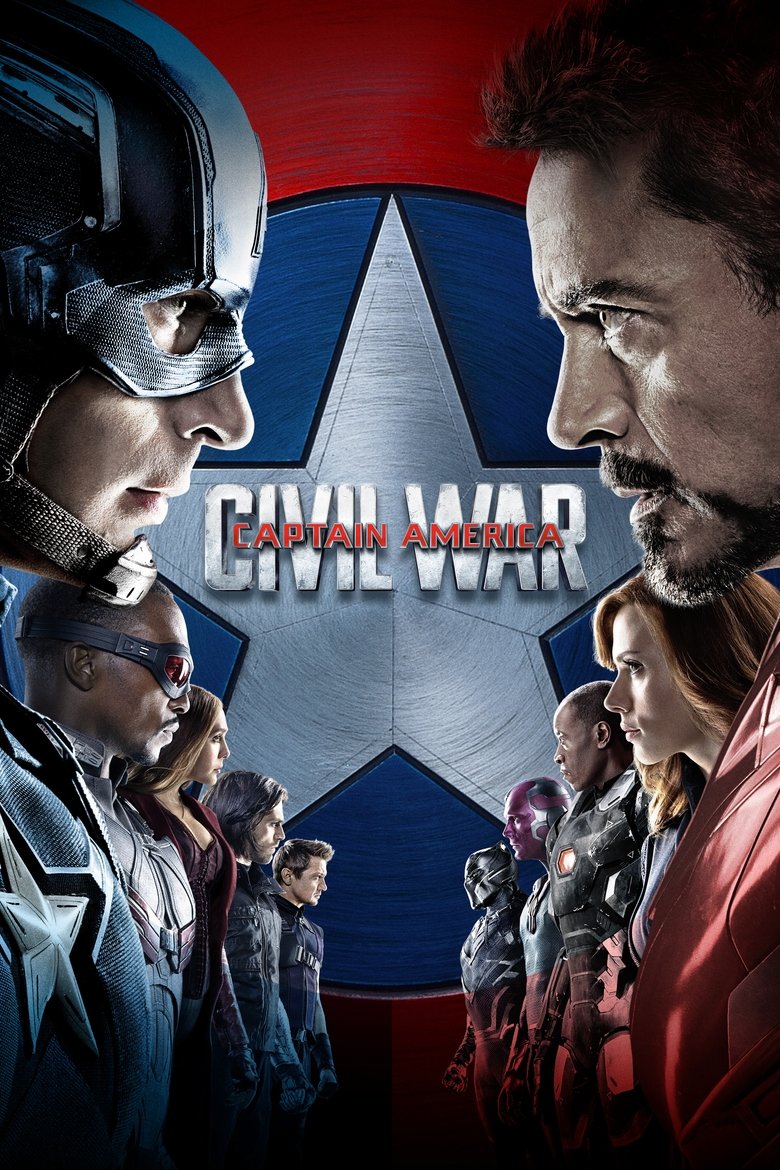
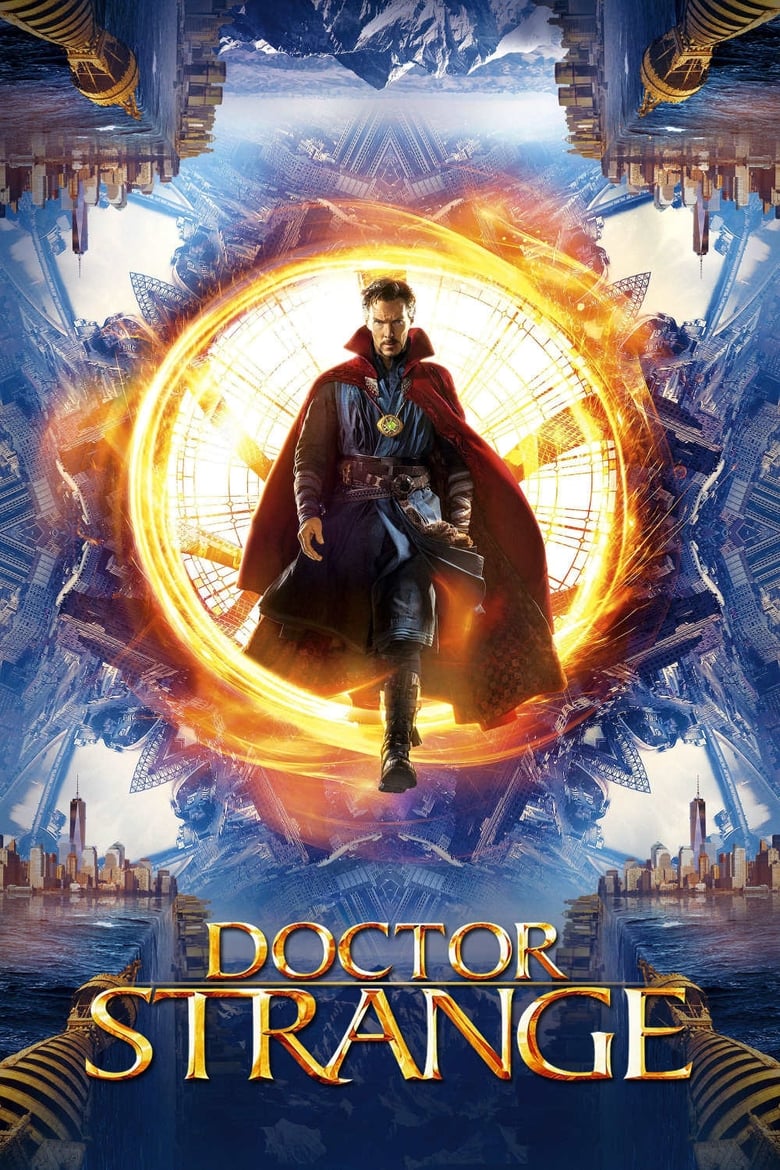
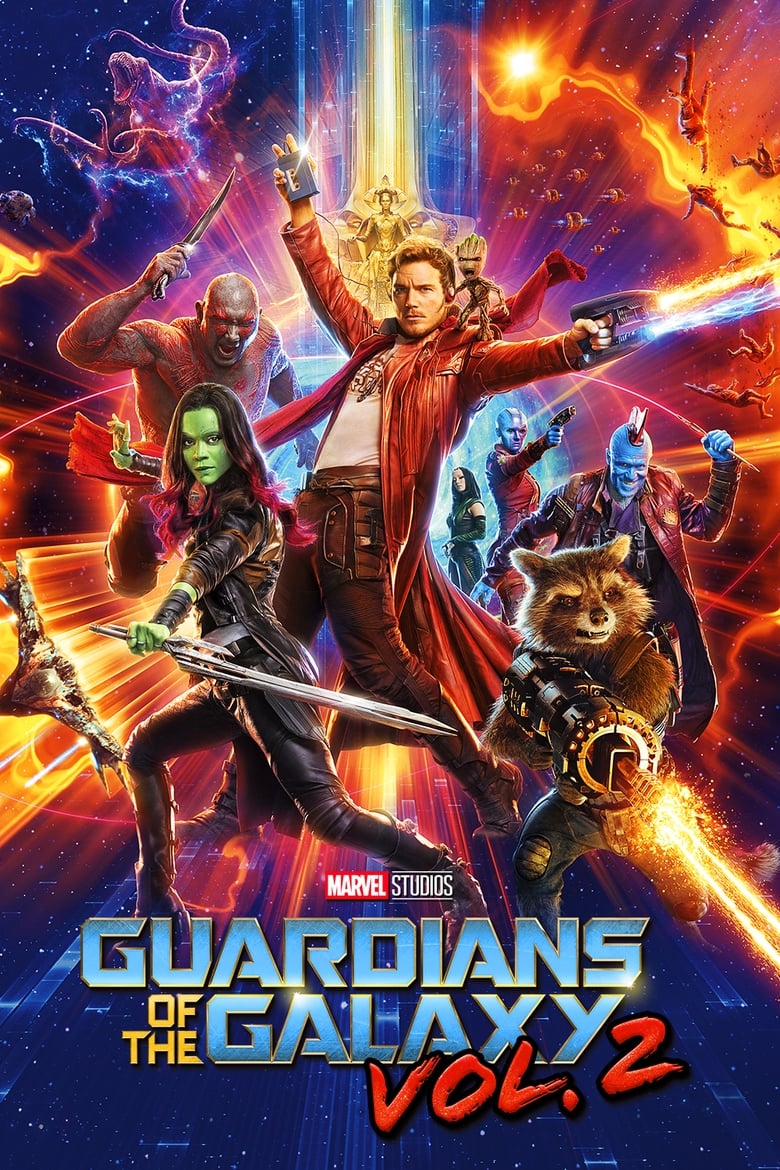
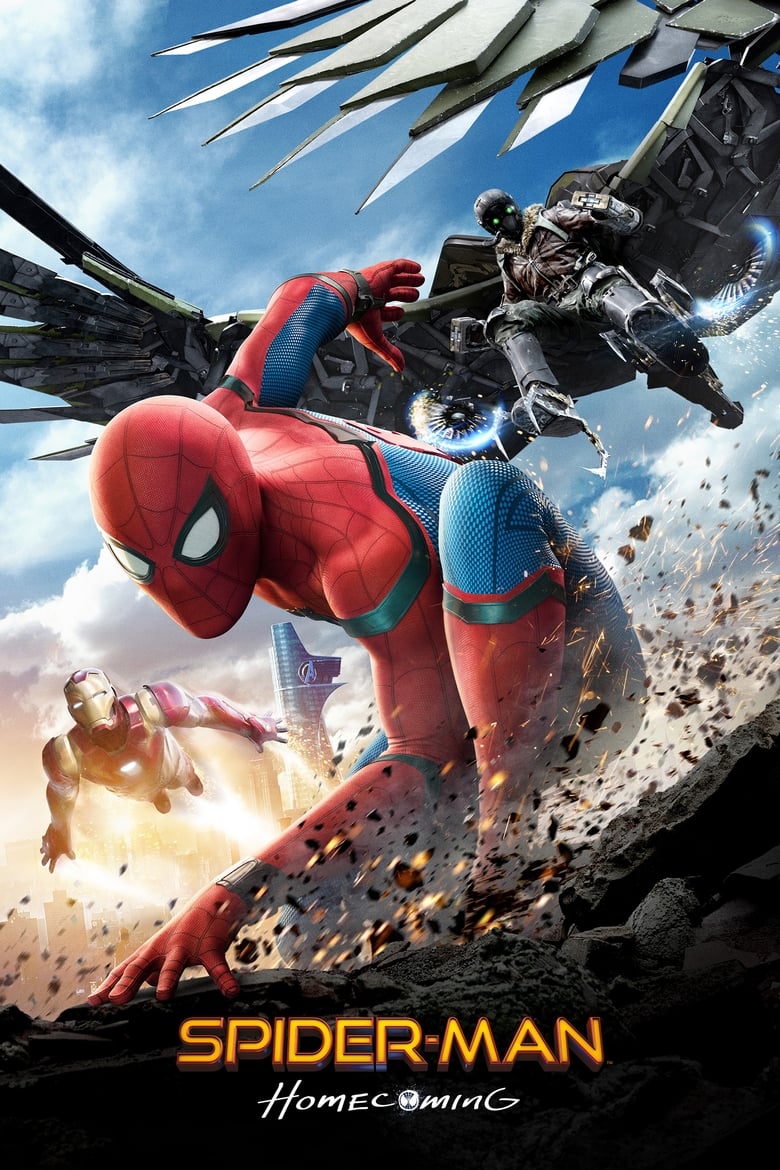
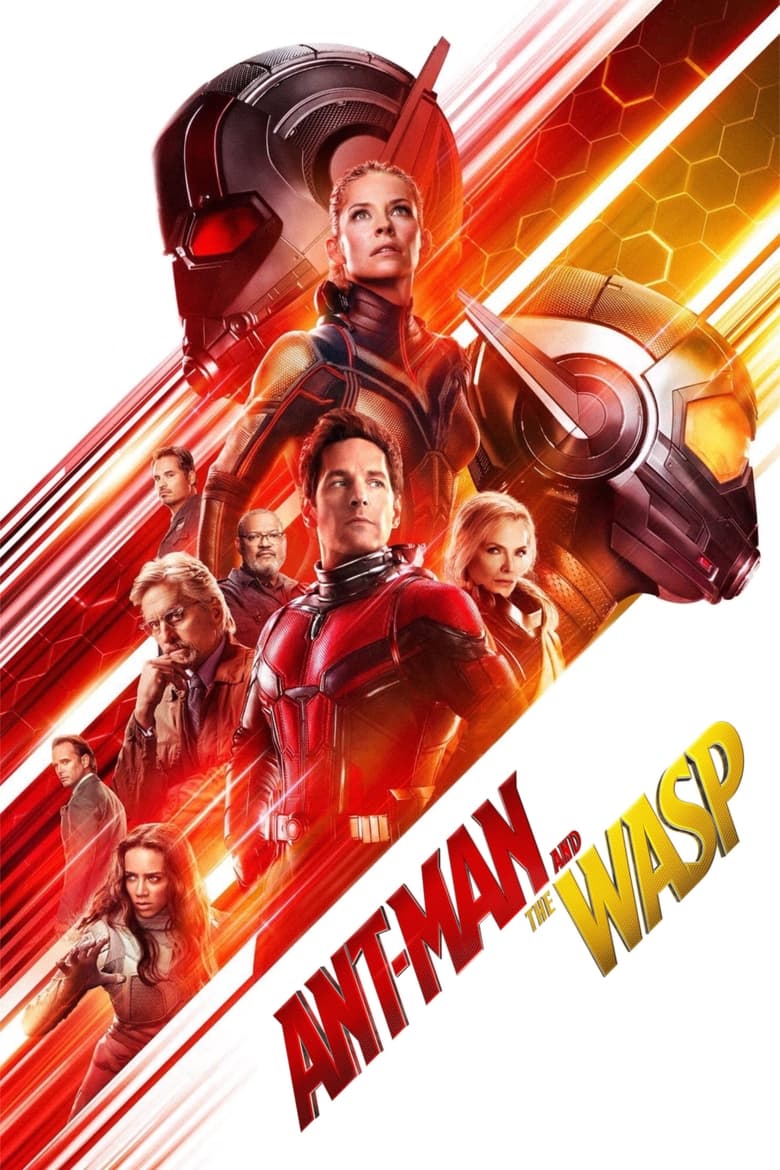
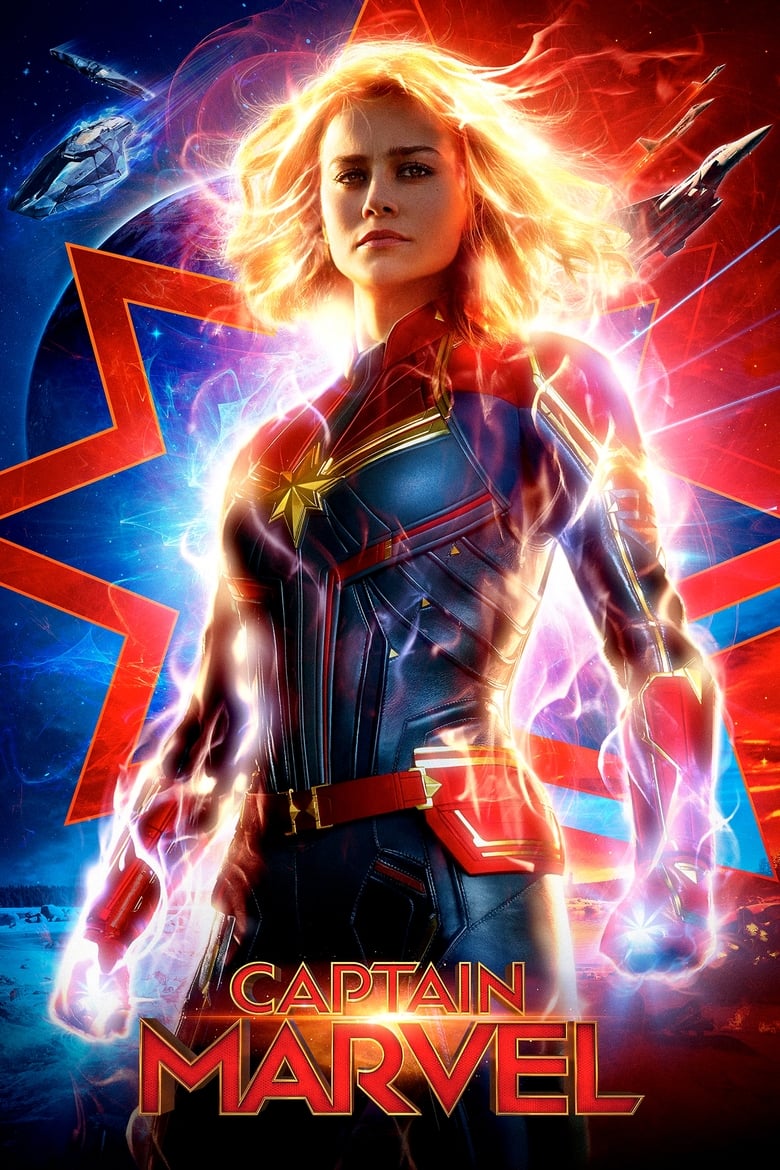
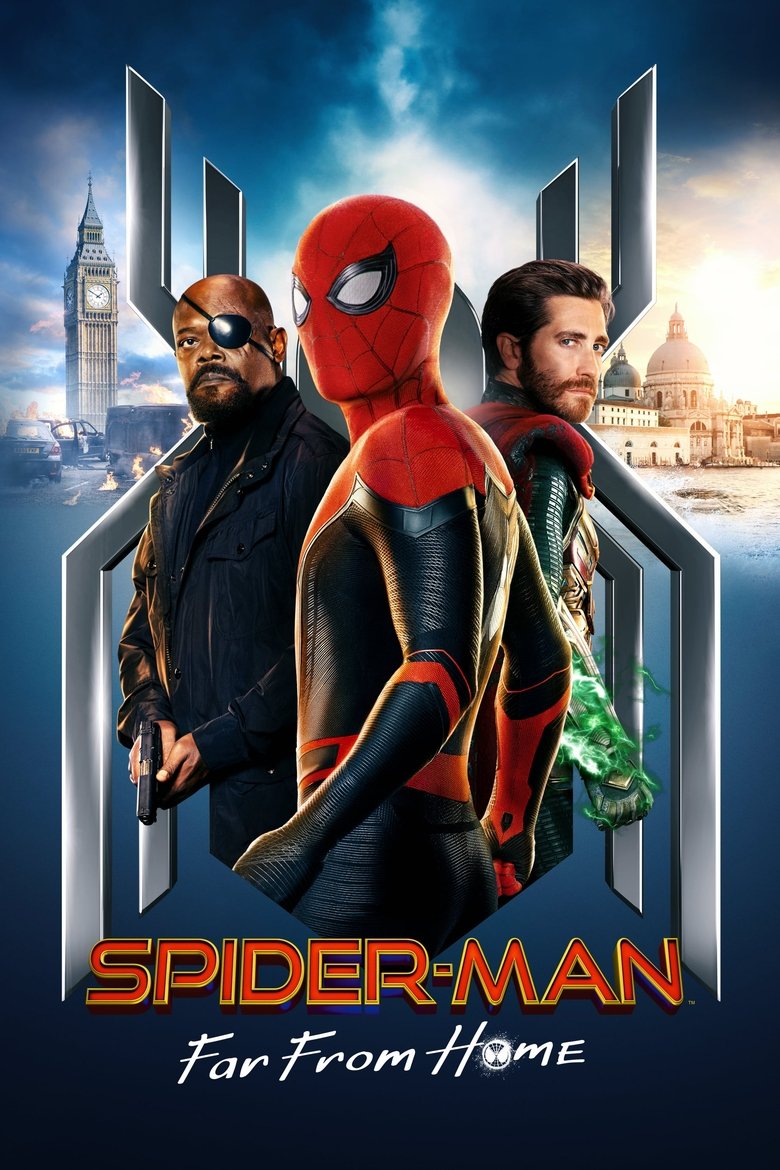
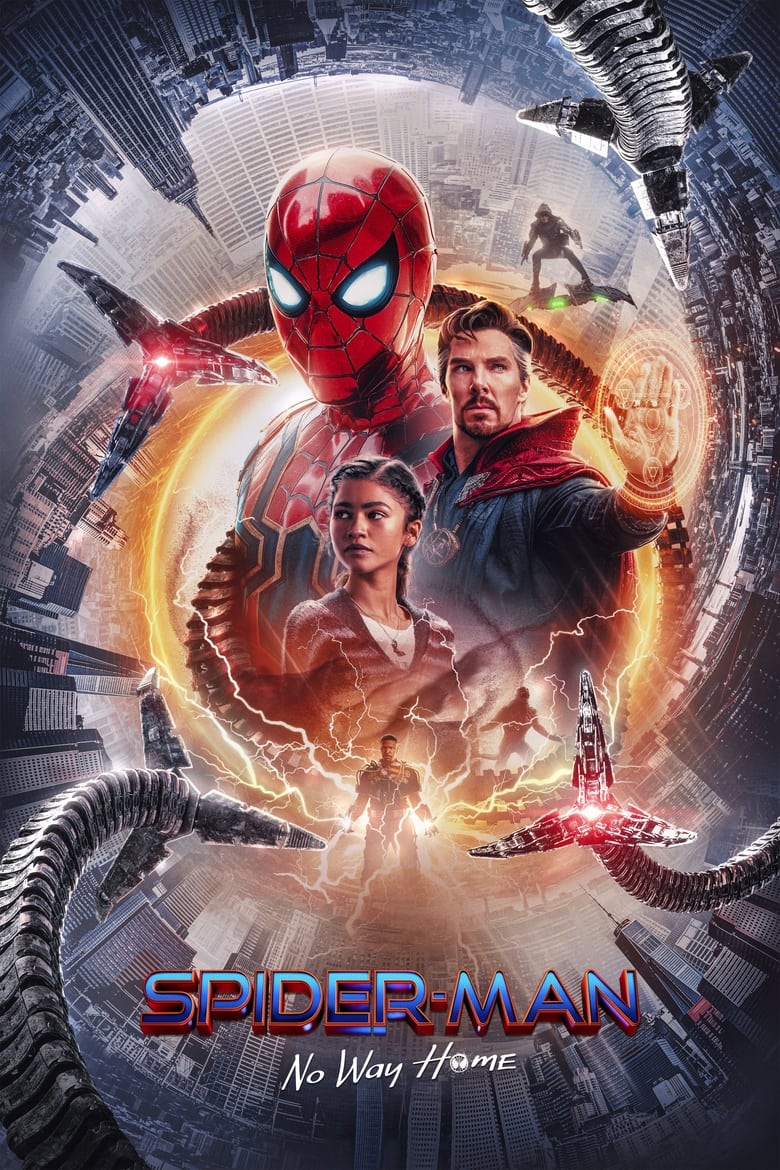
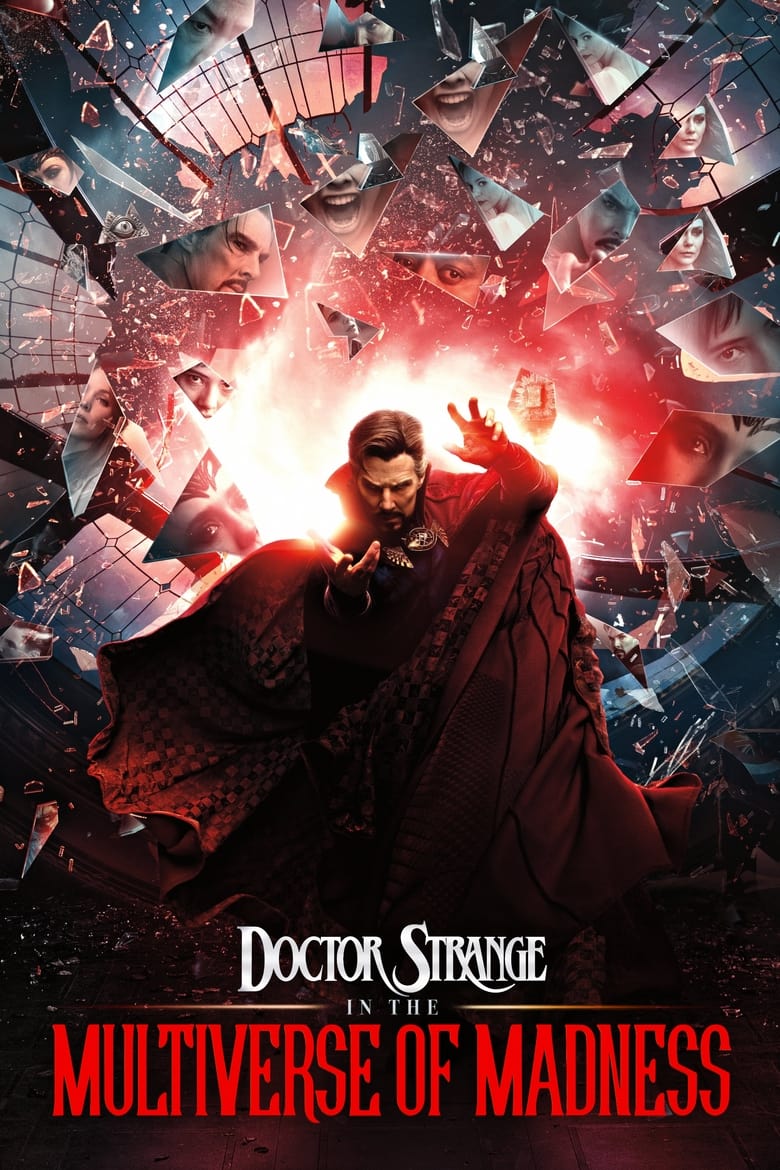
Phase 4 launched the Multiverse Saga, introducing new heroes and expanding the MCU's scope to parallel realities. Spider-Man: No Way Home ($1.9B globally) became one of the highest-grossing films ever and opened the multiverse in earnest. Black Panther: Wakanda Forever honoured Chadwick Boseman's legacy after his passing in 2020.
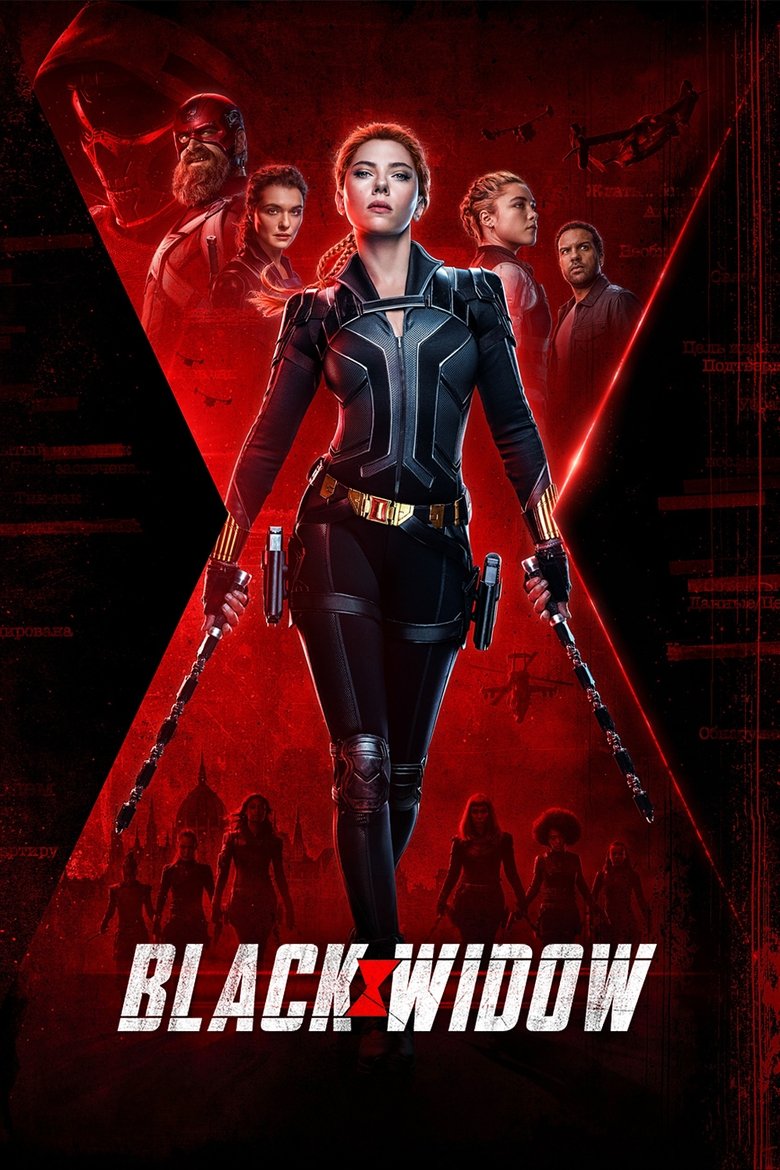
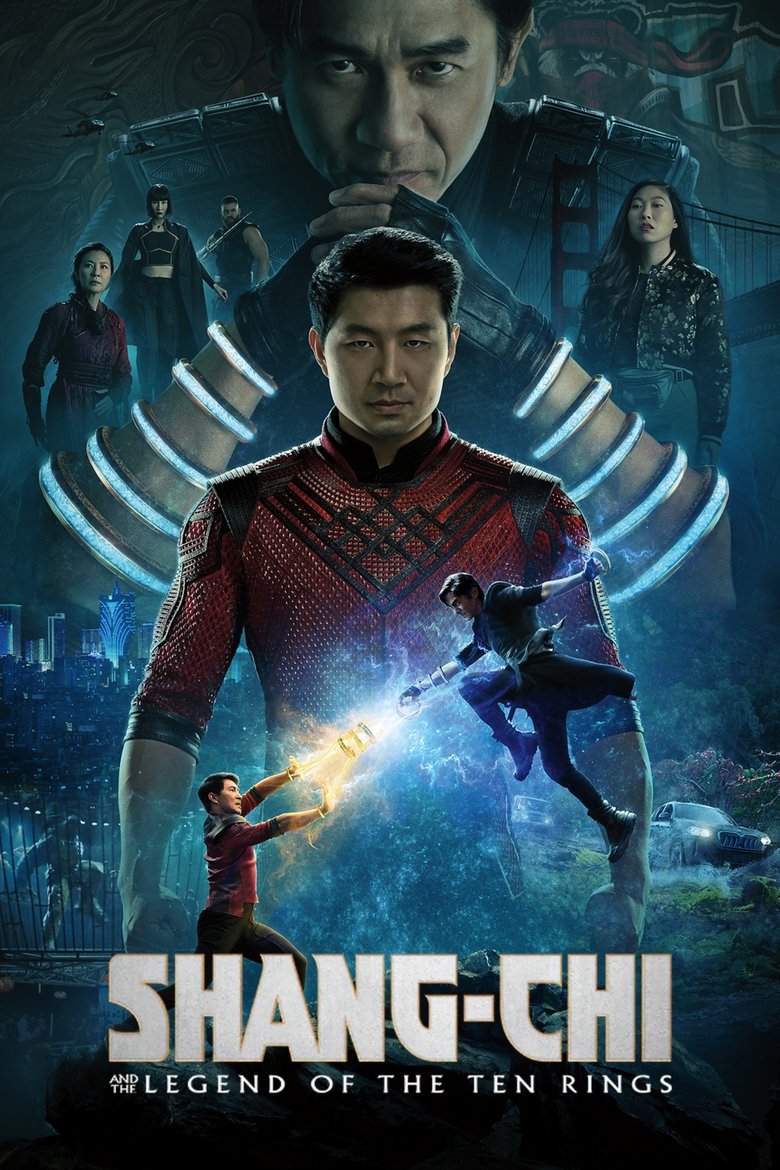
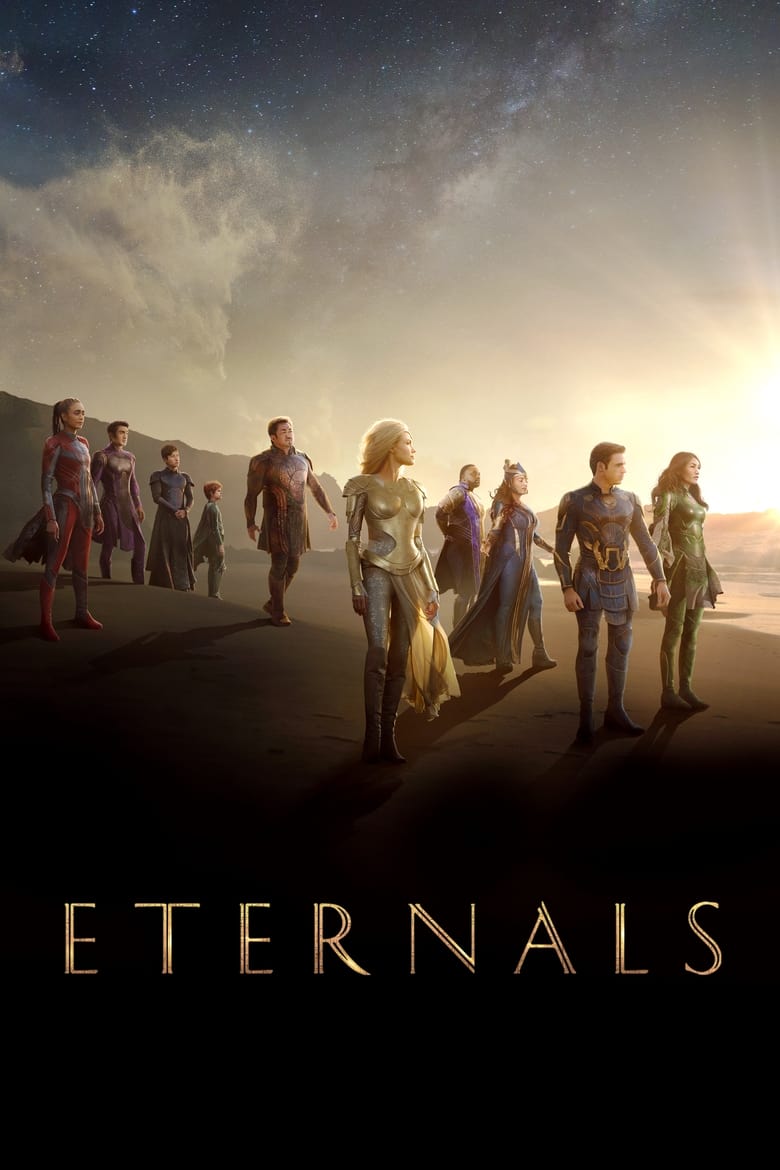
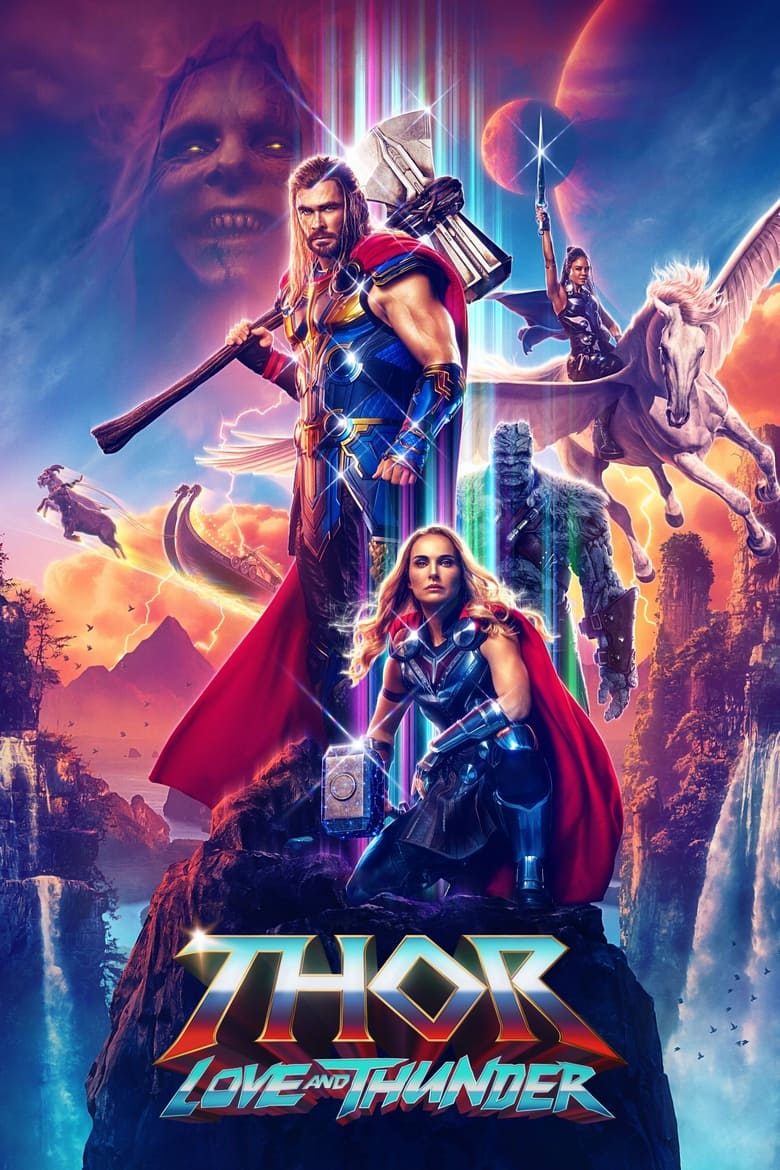
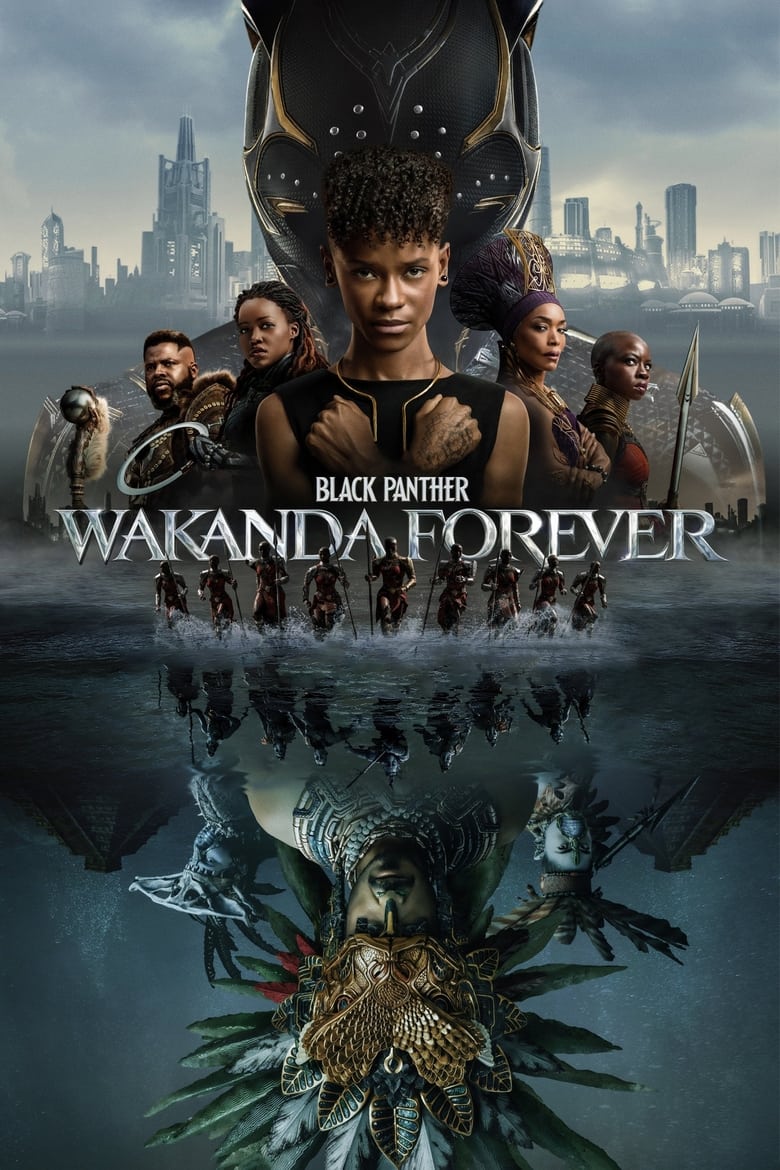
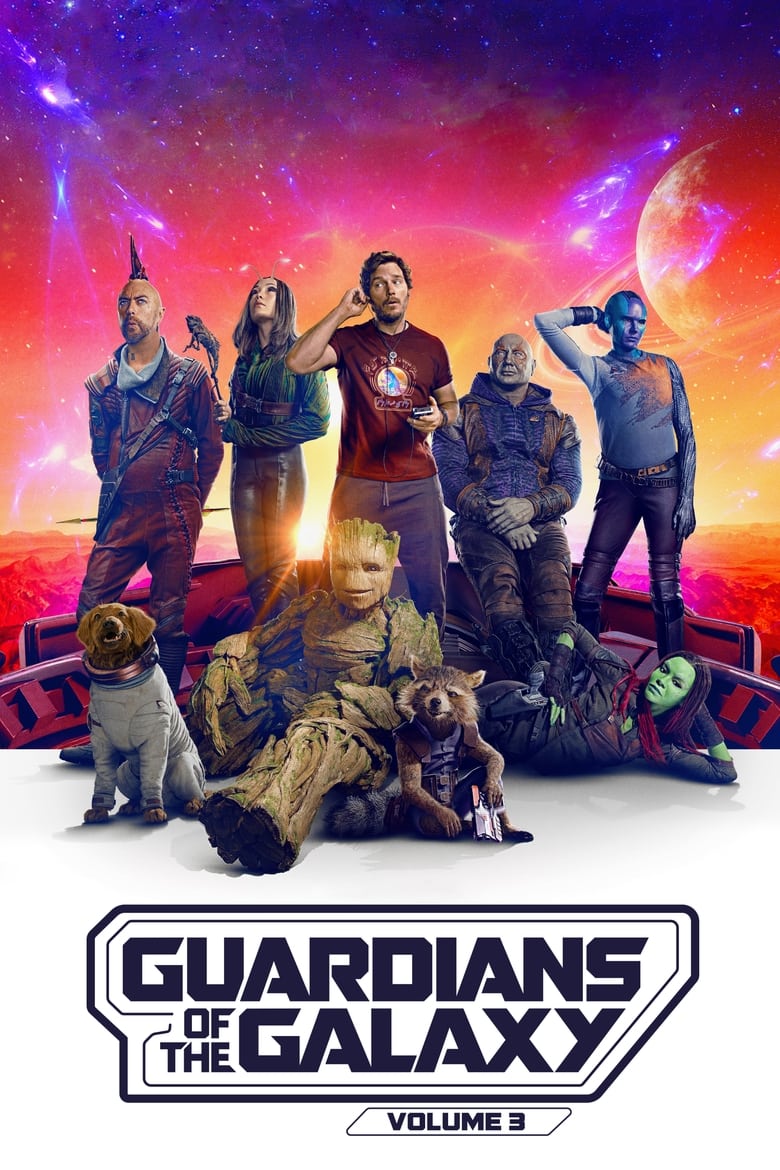
Phase 5 introduced Kang the Conqueror as the overarching threat while bringing beloved characters to their conclusions. Guardians of the Galaxy Vol. 3 delivered an emotionally satisfying finale for the team. Deadpool & Wolverine (2024) became the highest-grossing R-rated film ever and marked Wolverine's official entry into the MCU.
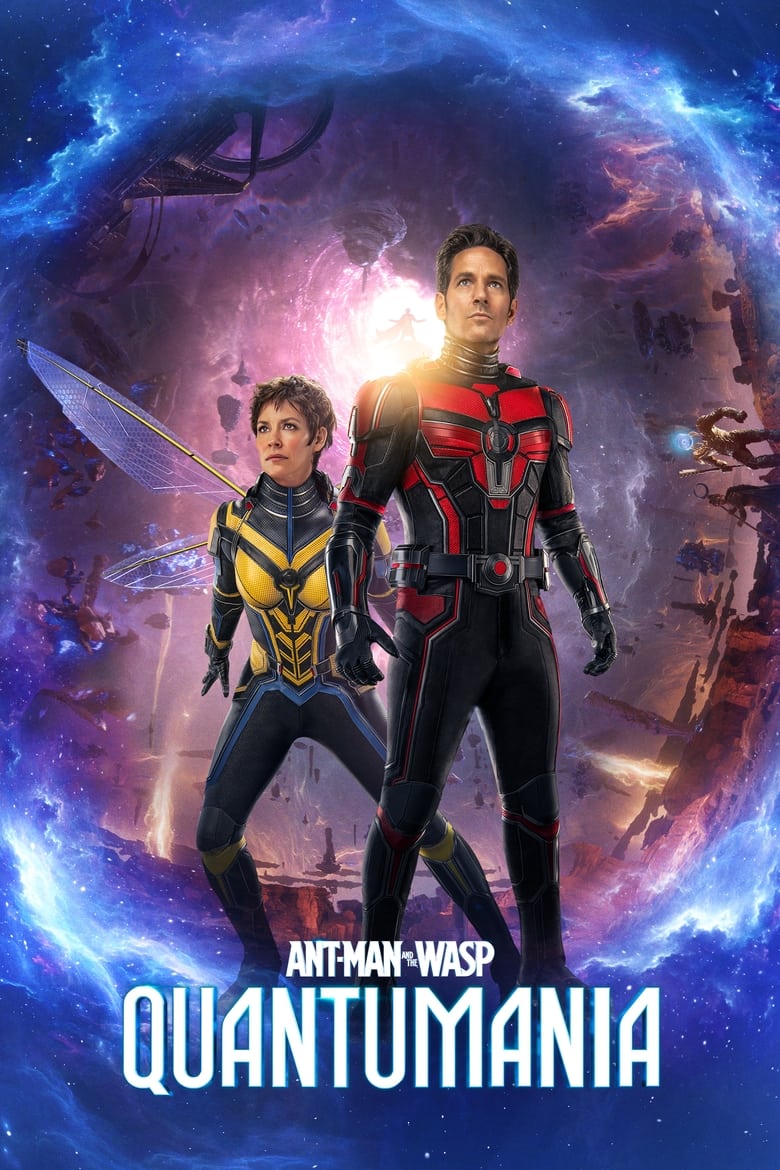
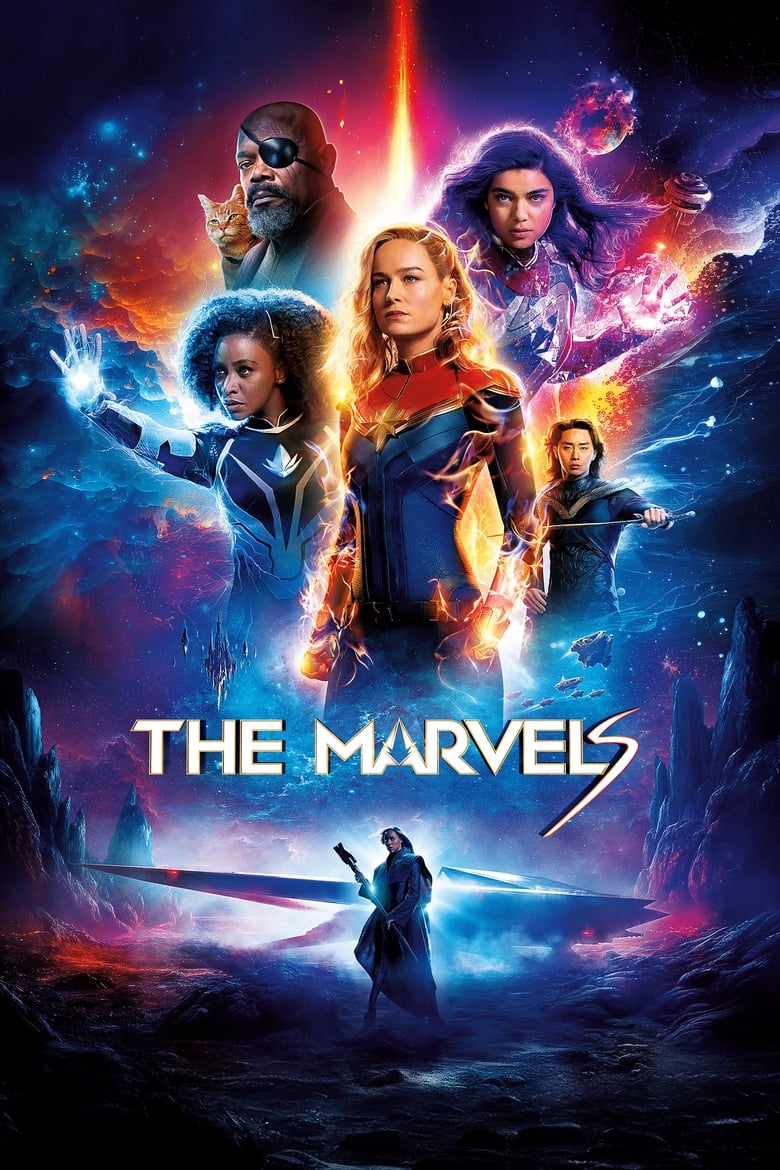

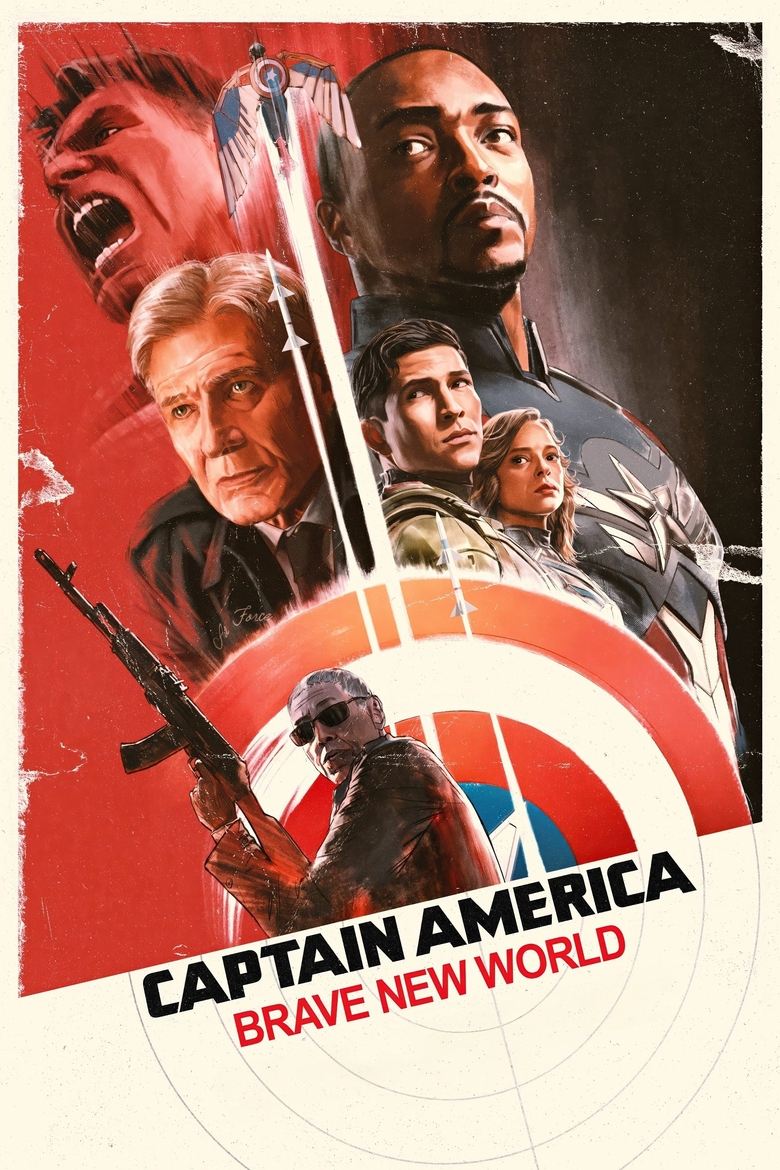
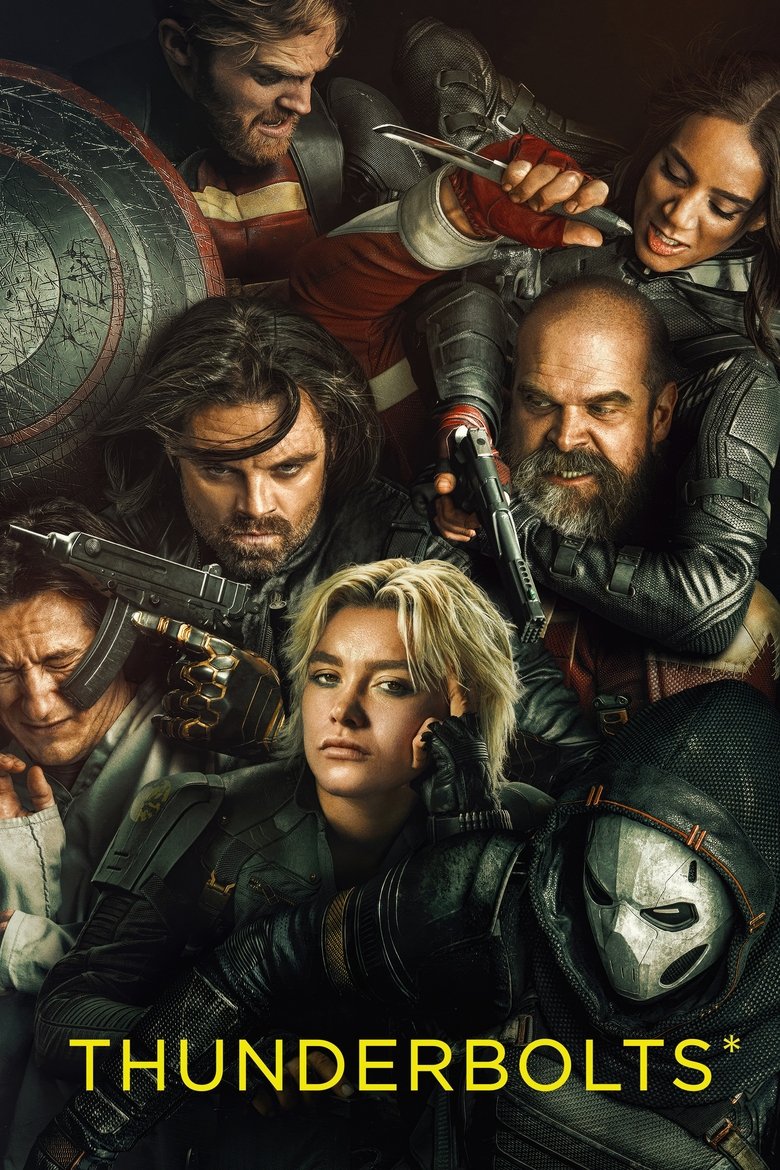
Phase 6 opens the endgame of the Multiverse Saga, setting the stage for Avengers: Doomsday and Secret Wars. Captain America: Brave New World introduces Sam Wilson's first solo outing as Cap. Thunderbolts* assembles the MCU's anti-hero ensemble — the asterisk in the title is intentional and part of the official name.
Where to Slot in the TV Shows
These series expand the Marvel (MCU) universe — here's exactly where they fit in the timeline.
WandaVision
📍 Watch after: Avengers: Endgame
A genre-bending miniseries set directly after Endgame, following Wanda and Vision living in a mysterious sitcom reality — and the dark trauma underneath it.
The Falcon and the Winter Soldier
📍 Watch after: Avengers: Endgame
Sam Wilson and Bucky Barnes team up to track a super-soldier threat while Sam grapples with whether to take up the Captain America shield.
Loki Season 1
📍 Watch after: Avengers: Endgame
A variant of Loki is arrested by the Time Variance Authority and forced to help fix a branching timeline — introducing the multiverse threat that drives the Multiverse Saga.
What If...?
📍 Watch after: Avengers: Endgame
An animated anthology of alternate-timeline stories. It sits outside the film continuity, so it is the one entry here you can comfortably skip on a first watch — though it does introduce ideas the multiverse films later pick up.
Hawkeye
📍 Watch after: Spider-Man: Far From Home
Set at Christmas, Clint Barton teams with Kate Bishop to deal with his past as Ronin — and to get home to his family in time for the holidays.
Moon Knight
📍 Watch after: Spider-Man: No Way Home
Oscar Isaac plays a man with dissociative identity disorder who discovers he is the avatar of the Egyptian moon god Khonshu — a standalone story largely disconnected from the wider MCU.
Ms. Marvel
📍 Watch after: Doctor Strange in the Multiverse of Madness
Kamala Khan, a teenage Pakistani-American and obsessive Avengers fan, discovers she has powers of her own — a joyful origin story that sets up The Marvels.
She-Hulk: Attorney at Law
📍 Watch after: Thor: Love and Thunder
Jennifer Walters navigates being a lawyer and a giant green superhero — a meta, comedic series that breaks the fourth wall and connects to several Phase 4 threads.
Secret Invasion
📍 Watch after: Ant-Man and the Wasp: Quantumania
Nick Fury returns to Earth to confront a secret Skrull invasion — a spy thriller that deals with the fallout of his post-Endgame absence from the planet.
Loki Season 2
📍 Watch after: The Marvels
Loki battles time-slipping across the TVA as the multiverse unravels — a direct continuation of Season 1 with major consequences for the Multiverse Saga's overarching villain threat.
Echo
📍 Watch after: The Marvels
Maya Lopez returns to her Choctaw hometown after the events of Hawkeye, which is the one prerequisite. A darker, street-level story that also brings back Kingpin.
Agatha All Along
📍 Watch after: Deadpool & Wolverine
A WandaVision spinoff following Agatha Harkness as she assembles a coven of witches to run the legendary Witches' Road and reclaim her stolen power.
Daredevil: Born Again
📍 Watch after: Deadpool & Wolverine
Picks up the Netflix Daredevil run and the Kingpin thread from Hawkeye and Echo. Two seasons so far, and the closest the MCU has come to its street-level corner on Disney+.
Ironheart
📍 Watch after: Black Panther: Wakanda Forever
Riri Williams builds on the armour she debuted in Wakanda Forever, which is the film to watch first.
Wonder Man
Upcoming. Placement in the watch order is not settled yet — this entry is here so the list is complete, not because it has a fixed slot.
VisionQuest
Upcoming, continuing Vision's story from WandaVision and Agatha All Along. Watch both of those first when it arrives.
Watch Marvel (MCU) in Order
Watch the Marvel Cinematic Universe movies in release order, starting with Iron Man (2008) and continuing through Thunderbolts* (2025). The series spans 36 films, released between 2008 and 2025. Audiences rate the franchise 7.2/10 on average.
What order should you watch Marvel Cinematic Universe?
For most viewers, release order is the recommended way to watch Marvel Cinematic Universe. This is how the story was crafted and revealed to audiences — earlier films seed details, callbacks, and twists that pay off in later entries. Watching in release order preserves those reveals and matches the pacing the filmmakers intended.
Marvel Cinematic Universe largely tracks its own in-universe chronology, so release order and chronological order overlap closely. You can use either without losing much, though release order is still the safest first watch.
About the Marvel Cinematic Universe franchise
The Marvel Cinematic Universe — every film across the Infinity and Multiverse Sagas, in order.
Each film builds on the previous one, rewarding viewers who watch in sequence.
Marvel (MCU) by the Numbers
Every figure below is calculated from the full film list on this page.
- 36
- Films released
- 17
- Years running
- 7.2/10
- Average audience rating
- 8.2/10
- Highest rated
- 5.9/10
- Lowest rated
- 2 years
- Longest gap between films
Marvel Cinematic Universe has 36 released films, the first in 2008 and the most recent in 2025.
The series has been running for 17 years, from 2008 to 2025.
Across its 36 rated films, Marvel Cinematic Universe averages 7.2/10 on TMDB, from 664,767 audience ratings.
The highest-rated entry is Avengers: Endgame (2019) at 8.2/10 on TMDB.
The lowest-rated entry is The Marvels (2023) at 5.9/10 on TMDB.
The longest gap between consecutive films is 2 years, between The Incredible Hulk (2008) and Iron Man 2 (2010).
Computed by Movies in Order from The Movie Database (TMDB) collection data for Marvel Cinematic Universe, covering all 36 released films. Last recalculated October 2026.
Marvel (MCU) Fun Facts & Trivia
The MCU has grossed over $30 billion at the global box office, making it the highest-earning film franchise in history by a significant margin.
Avengers: Endgame (2019) runs 181 minutes — the longest MCU film ever and the highest-grossing movie of all time on its release weekend ($357 million domestic).
Iron Man (2008) featured the MCU's first post-credits scene: Nick Fury appearing in Tony Stark's living room to talk about "the Avenger Initiative" — a concept that changed cinema marketing.
Robert Downey Jr. was paid approximately $500,000 for Iron Man (2008) and an estimated $75 million for Avengers: Endgame (2019) — a salary arc that mirrors Tony Stark's own journey.
The six Infinity Stones were seeded across 11 films over seven years, with each Stone introduced in a different hero's story before Thanos collected them all in Infinity War.
Avengers: Infinity War and Endgame were shot back-to-back over roughly nine months, with scripts so secret that many cast members received fake pages and were told their characters' fates only on set.
Frequently Asked Questions
What is the best order to watch Marvel (MCU)?
What is the first Marvel (MCU) movie?
What is the most recent Marvel (MCU) movie?
How many Marvel (MCU) movies are there in total?
How long does it take to watch all Marvel (MCU) movies?
What is the highest-rated Marvel (MCU) movie?
Should I watch the Marvel (MCU) TV shows?
Can I watch Marvel (MCU) movies without watching them in order?
Where can I watch Marvel (MCU) movies online?
More Movies in Order
Prime for Young Adults
Students and 18-24 year olds can try Prime free, then pay just $7.49/month plus tax (50% off the regular price).
Up to 4 years or age 25, then renews at regular Prime price. Cancel anytime. Terms apply.
Want the classic franchise overview?
See the original timeline, full stats, and editorial intro on the franchise overview page.
View Classic Franchise Page →