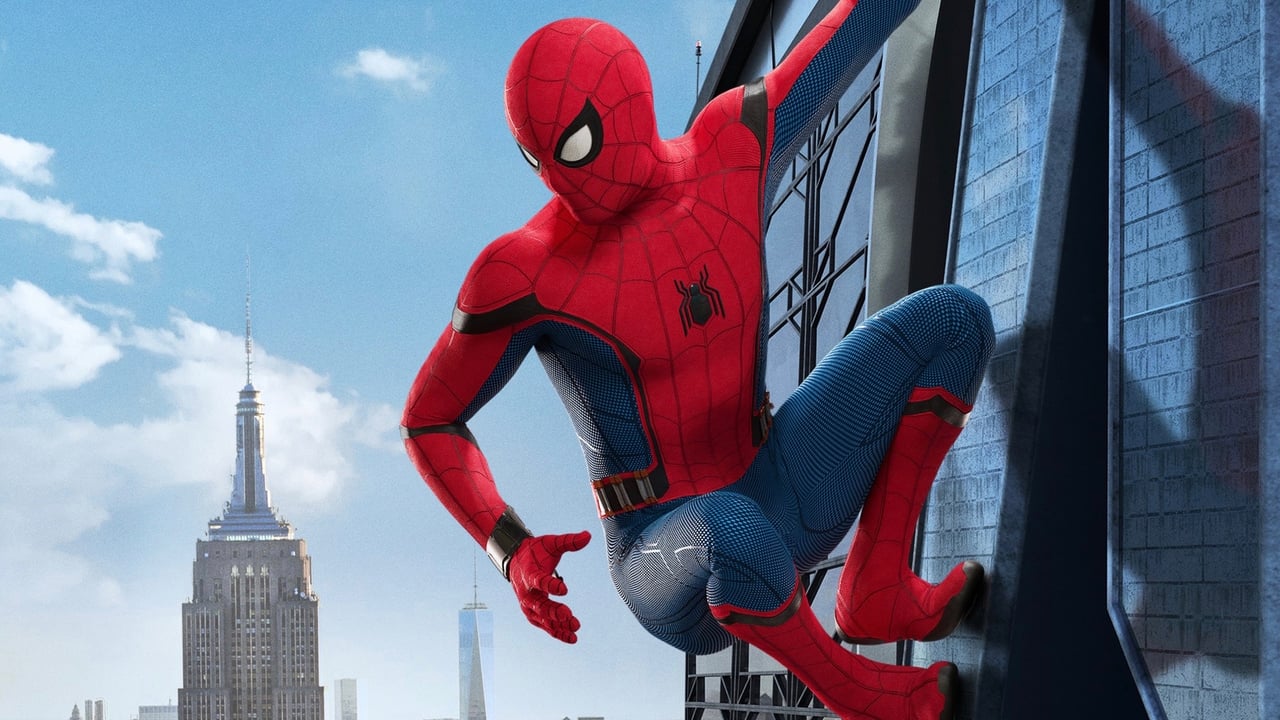
Spider-Man (MCU)Complete Watch Order Guide
Tom Holland's MCU Spider-Man trilogy follows Peter Parker from high-school vigilante to the hero who gives everything up to save the multiverse. All three films are deeply embedded in the broader MCU — watch them after Captain America: Civil War (where Peter first appears) for the full context.
Spider-Man (MCU) Release Timeline
What order should you watch the Spider-Man (MCU) movies?
Release order — click any era to expand or collapse. All 4 released films shown below.
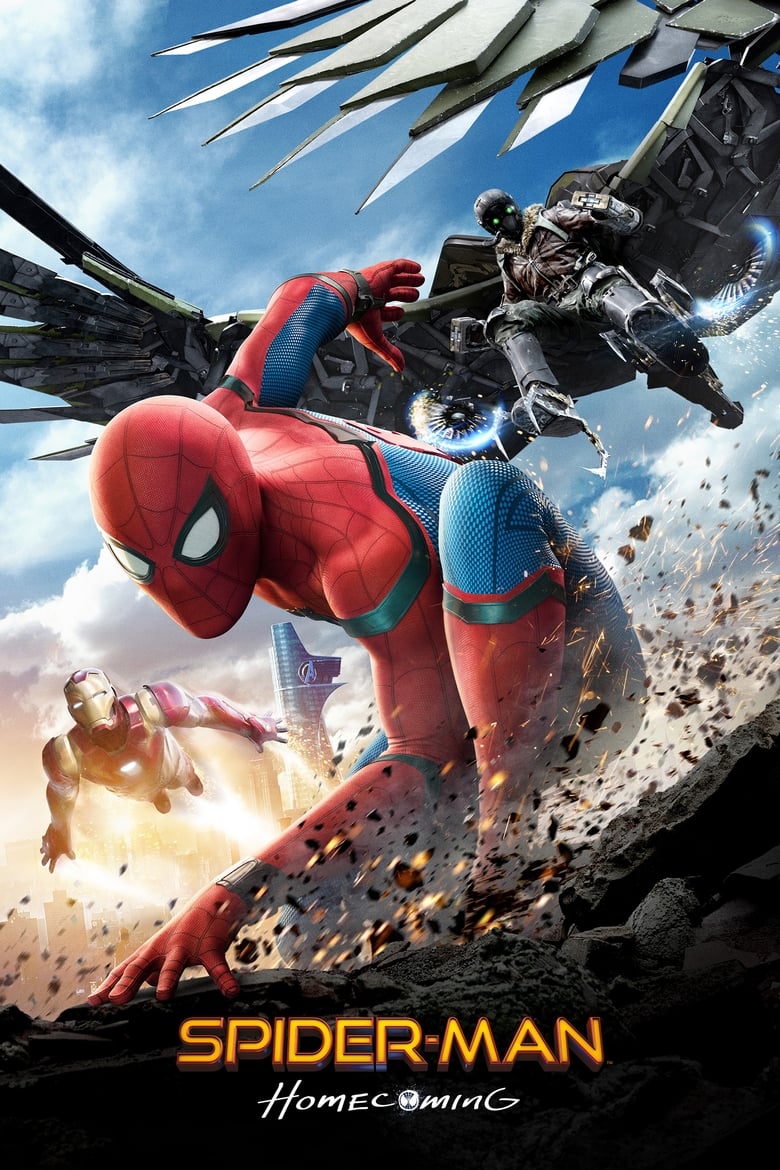
Homecoming (2017) is a coming-of-age film disguised as a superhero movie. Peter is 15, desperate to prove himself to Tony Stark, and fighting a villain — the Vulture — who is genuinely sympathetic. The twist involving Liz's father is one of the MCU's best-constructed reveals. Set immediately after Civil War.
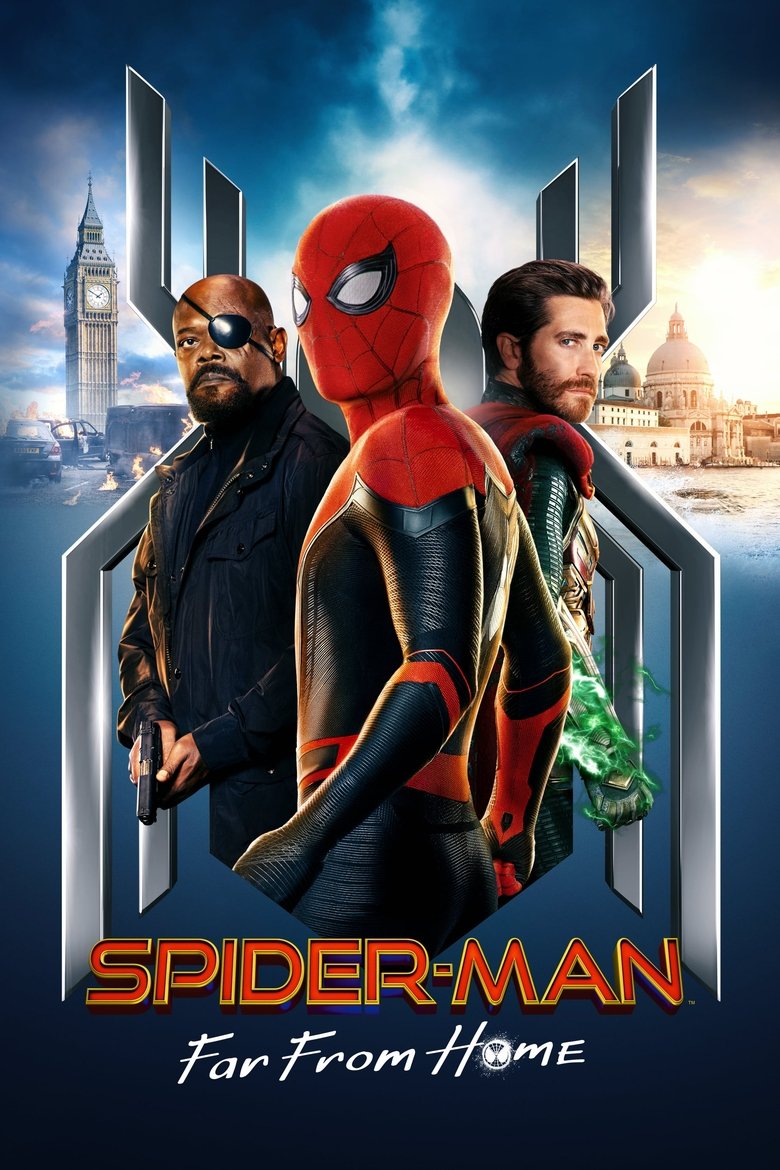
Far From Home (2019) is set eight months after Endgame and serves as the Phase 3 epilogue. Peter is grieving Tony, trying to have a normal school trip to Europe, and being manipulated by Mysterio. The mid-credits scene recontextualises the entire film and sets up the events of No Way Home.
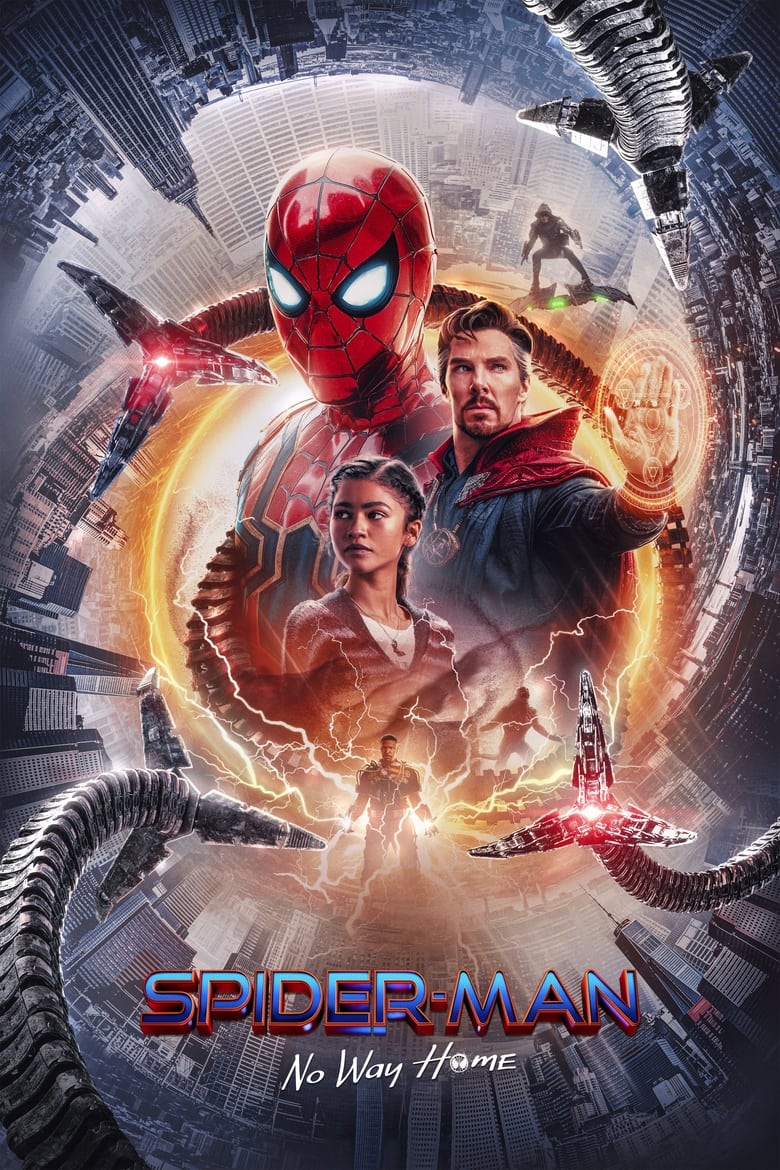
No Way Home (2021) is the highest-grossing Spider-Man film ever ($1.9B) and a love letter to every version of the character. Peter's decision to ask Strange to make the world forget him triggers a multiverse collision that brings in villains and heroes from the Raimi and Webb eras. Watch after Far From Home — the emotional weight depends on it.
Additional Films
Watch Spider-Man (MCU) in Order
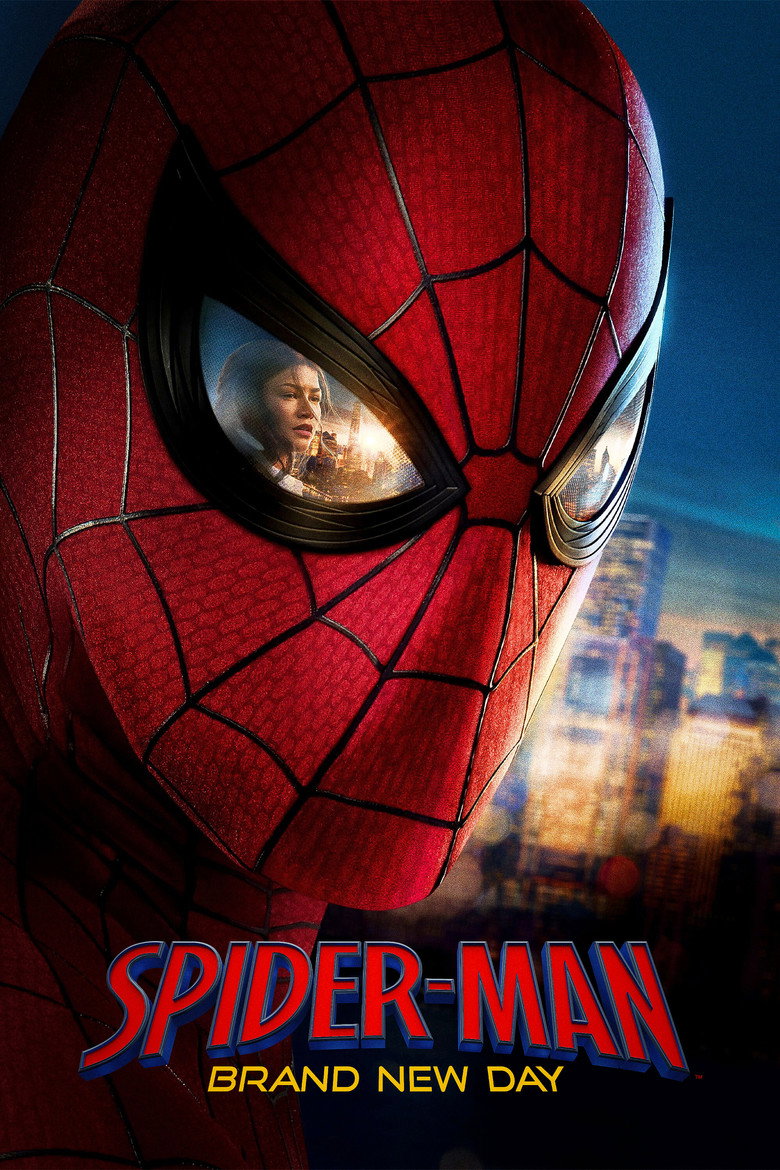
Watch the Spider-Man (MCU) movies in release order, starting with Spider-Man: Homecoming (2017) and continuing through Spider-Man: Brand New Day (2026). The series spans 4 films, released between 2017 and 2026. Audiences rate the franchise 7.6/10 on average.
What order should you watch Spider-Man (MCU)?
For most viewers, release order is the recommended way to watch Spider-Man (MCU). This is how the story was crafted and revealed to audiences — earlier films seed details, callbacks, and twists that pay off in later entries. Watching in release order preserves those reveals and matches the pacing the filmmakers intended.
Spider-Man (MCU) largely tracks its own in-universe chronology, so release order and chronological order overlap closely. You can use either without losing much, though release order is still the safest first watch.
About the Spider-Man (MCU) franchise
A collection of films following Peter Parker as he navigates adolescence while taking on the responsibilities of being Spider-Man in a world filled with superheroes. As Peter faces increasingly complex threats, he must confront the consequences of his choices and learn what it truly means to be a hero in a larger universe.
Each film builds on the previous one, rewarding viewers who watch in sequence.
Spider-Man (MCU) by the Numbers
Every figure below is calculated from the full film list on this page.
- 4
- Films released
- 9
- Years running
- 7.6/10
- Average audience rating
- 7.9/10
- Highest rated
- 7.3/10
- Lowest rated
- 5 years
- Longest gap between films
Spider-Man (MCU) has 4 released films, the first in 2017 and the most recent in 2026.
The series has been running for 9 years, from 2017 to 2026.
Across its 4 rated films, Spider-Man (MCU) averages 7.6/10 on TMDB, from 67,360 audience ratings.
The highest-rated entry is Spider-Man: No Way Home (2021) at 7.9/10 on TMDB.
The lowest-rated entry is Spider-Man: Homecoming (2017) at 7.3/10 on TMDB.
The longest gap between consecutive films is 5 years, between Spider-Man: No Way Home (2021) and Spider-Man: Brand New Day (2026).
Computed by Movies in Order from The Movie Database (TMDB) collection data for Spider-Man (MCU), covering all 4 released films. Last recalculated September 2026.
Spider-Man (MCU) Fun Facts & Trivia
Spider-Man: No Way Home grossed $1.9 billion worldwide — the highest of any Spider-Man film and the sixth-highest of all time.
Tom Holland found out he was cast as Spider-Man via an Instagram post from Marvel — he'd been told by his agent to "keep an eye on his phone."
Homecoming is the first Spider-Man film in which Peter's origin story is not shown — the MCU assumed audiences knew it well enough to skip it.
No Way Home required three separate sets of contracts, confidentiality agreements, and shooting schedules to keep returning cast members secret.
All three films have a different director: Jon Watts (Homecoming, Far From Home), and Watts returned for No Way Home.
Michael Keaton's Vulture remains one of the MCU's highest-rated villains on Rotten Tomatoes — the twist in Homecoming earned widespread critical praise.
Frequently Asked Questions
What is the best order to watch Spider-Man (MCU)?
What is the first Spider-Man (MCU) movie?
What is the most recent Spider-Man (MCU) movie?
How many Spider-Man (MCU) movies are there in total?
How long does it take to watch all Spider-Man (MCU) movies?
What is the highest-rated Spider-Man (MCU) movie?
Can I watch Spider-Man (MCU) movies without watching them in order?
Where can I watch Spider-Man (MCU) movies online?
More Movies in Order

Prime for Young Adults
Students and 18-24 year olds can try Prime free, then pay just $7.49/month plus tax (50% off the regular price).
Up to 4 years or age 25, then renews at regular Prime price. Cancel anytime. Terms apply.
Want the classic franchise overview?
See the original timeline, full stats, and editorial intro on the franchise overview page.
View Classic Franchise Page →