X-MenComplete Watch Order Guide
The X-Men franchise is one of the most tangled timelines in superhero cinema — Days of Future Past literally rewrites the past, leaving two incompatible X-Men universes running in parallel. For first-time viewers, release order is the only approach that makes the pivot land correctly: you need to have met the original cast before the revised timeline can mean anything.
X-Men Release Timeline
What order should you watch the X-Men movies?
Release order — click any era to expand or collapse. All 7 released films shown below.
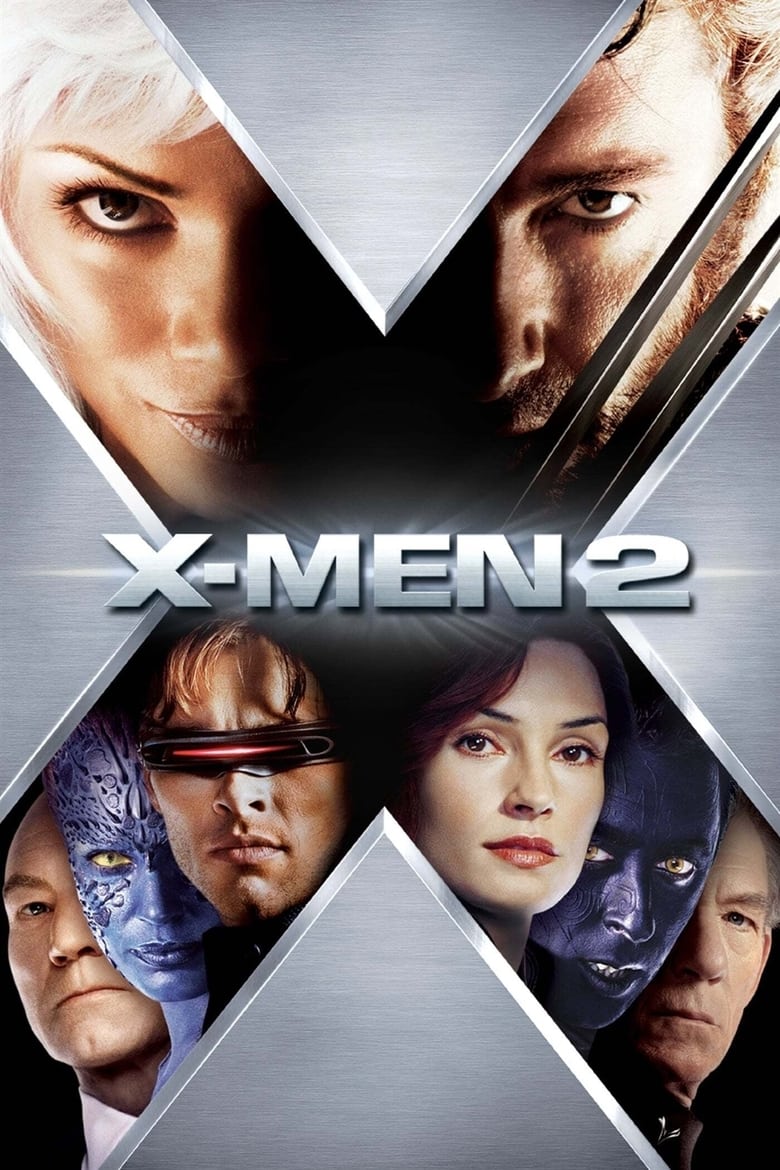
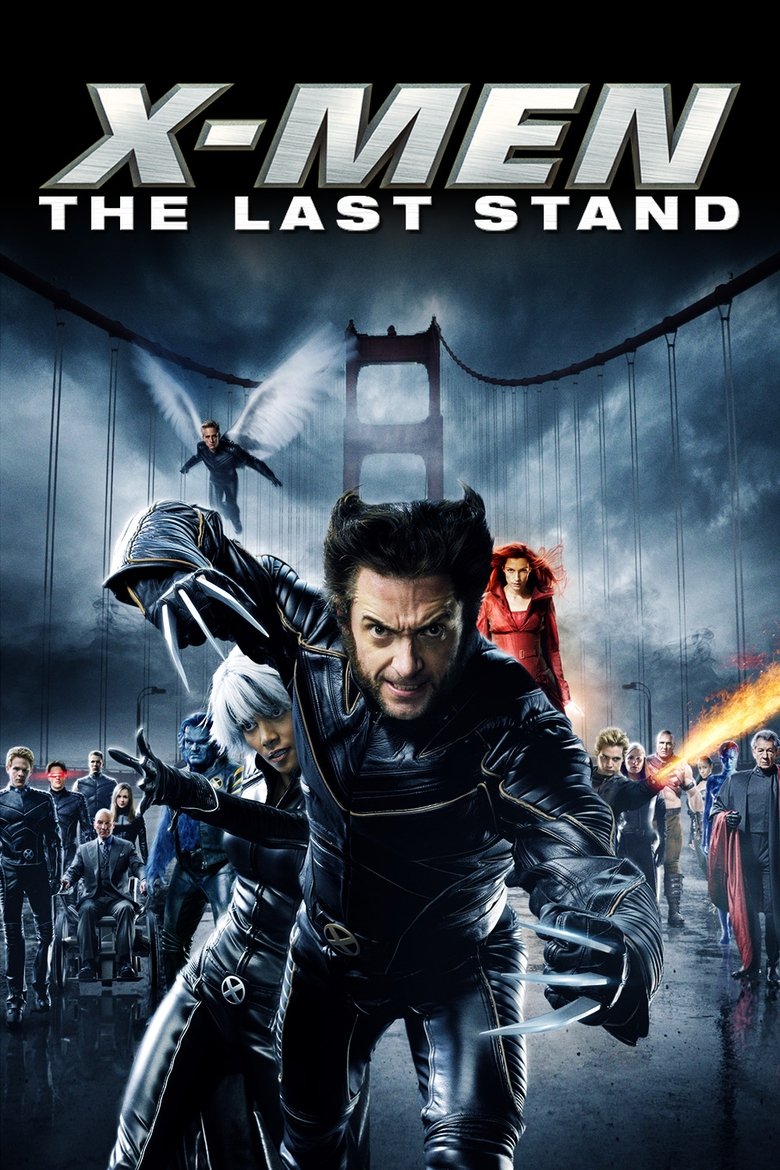
Bryan Singer's first two X-Men films launched the modern superhero movie era in 2000 — predating Iron Man by eight years and proving comic-book adaptations could be taken seriously. The trilogy follows Professor Xavier's school of mutants as they face persecution, government overreach, and Jean Grey's transformation. The Last Stand is the weakest entry but resolves the original cast's arc.

Hugh Jackman anchors his own parallel trilogy across these three films, each exploring a different chapter of Logan's centuries-long life. Origins covers his past; The Wolverine sends him to Japan after The Last Stand; Logan (2017) is the definitive farewell — set in a near-future where mutants are all but extinct. Logan was the first X-Men film to receive an R rating and is widely regarded as one of the best superhero films ever made.
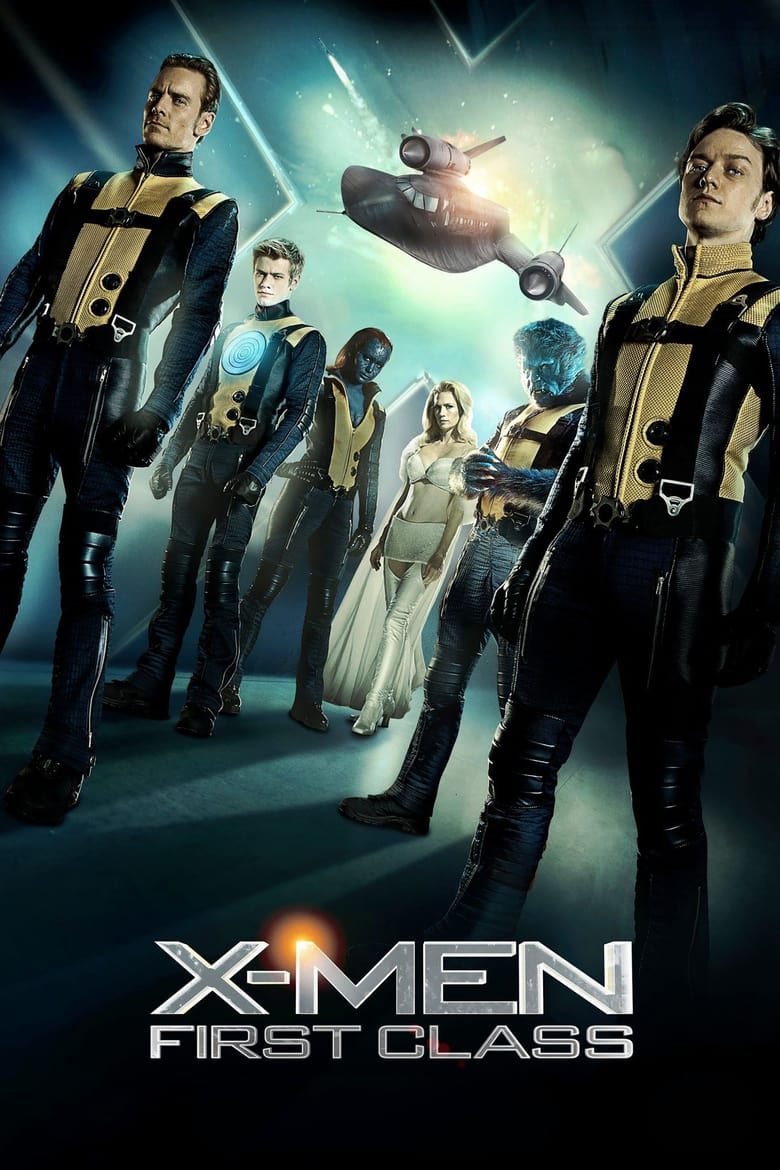
First Class (2011) recast the franchise with younger actors playing young Charles Xavier and Erik Lehnsherr in the 1960s. Days of Future Past (2014) bridges both casts in a time-travel story that rewrites the entire original timeline, freeing the franchise from its continuity baggage. Apocalypse and Dark Phoenix then chart the revised timeline forward through the 1980s and 1990s, culminating in the saga's official ending.
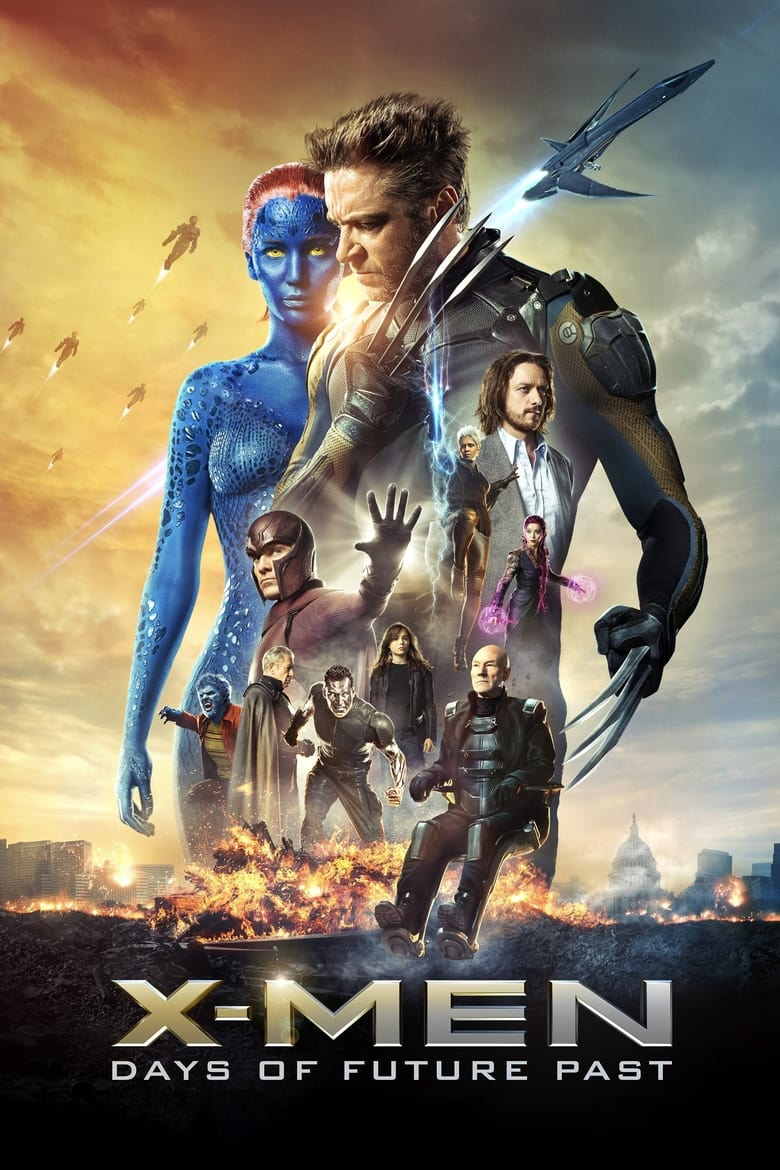
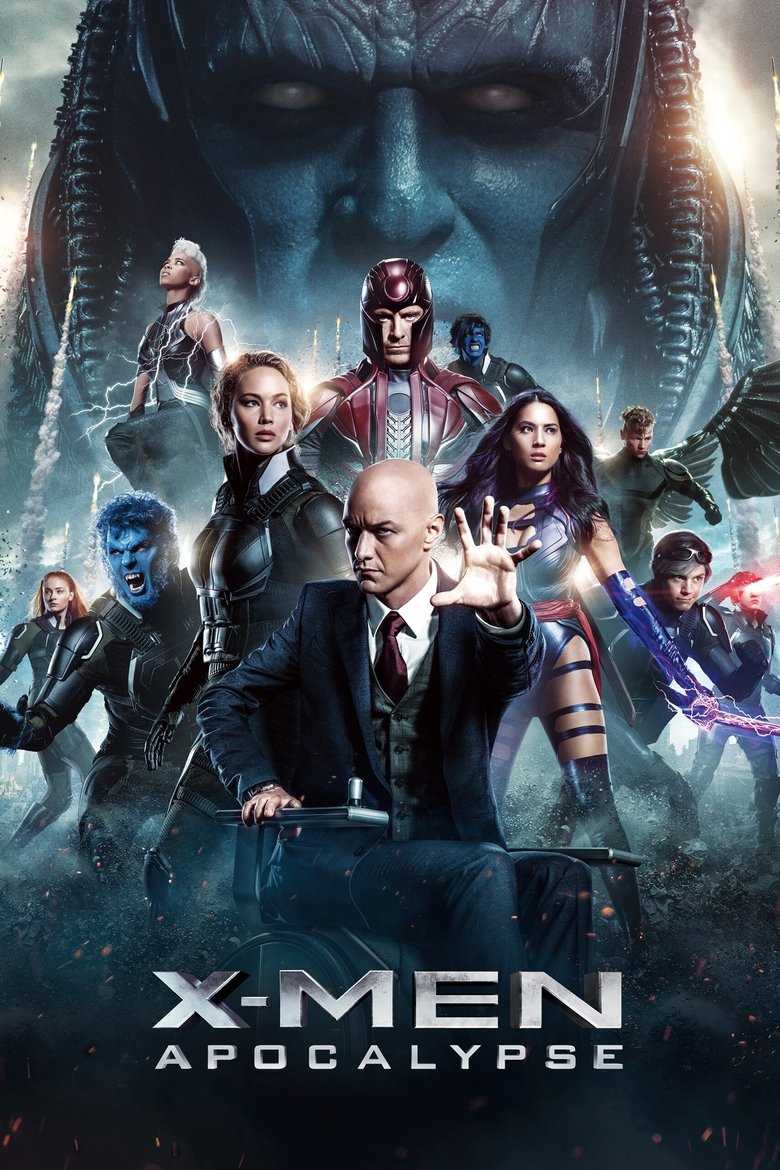
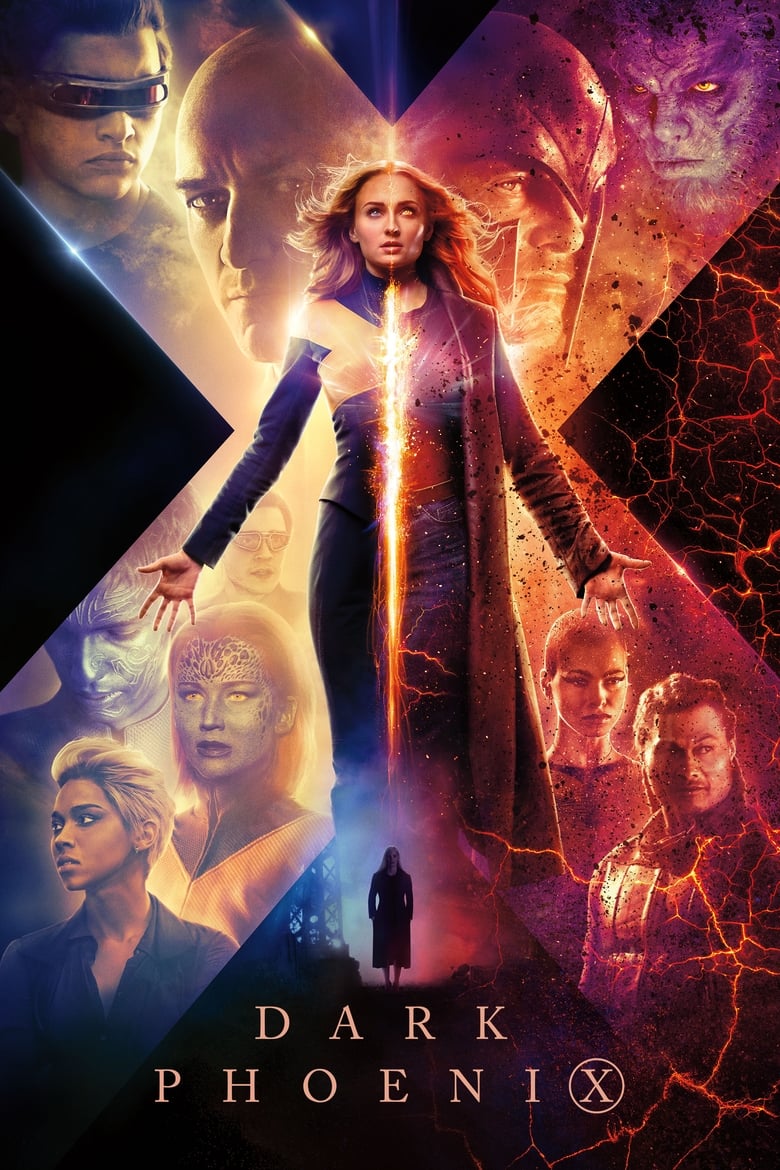
A genre experiment that reimagines young mutants trapped in a psychiatric facility in a near-horror setting, The New Mutants was delayed nearly three years before finally releasing in 2020. It stands largely apart from the main franchise's continuity but rounds out the Fox X-Men universe before Disney's acquisition fully absorbed the property.
Watch X-Men in Order
Watch the X-Men movies in release order, starting with X-Men (2000) and continuing through Dark Phoenix (2019). The series spans 7 films, released between 2000 and 2019. Audiences rate the franchise 6.8/10 on average.
What order should you watch X-Men?
For most viewers, release order is the recommended way to watch X-Men. This is how the story was crafted and revealed to audiences — earlier films seed details, callbacks, and twists that pay off in later entries. Watching in release order preserves those reveals and matches the pacing the filmmakers intended.
Chronological order is a valid alternative if you want the in-universe timeline to play out linearly. X-Men includes prequels or flashbacks that take place earlier in its story, so a chronological rewatch can change which moments land as surprises versus setups. First-time viewers should still start with release order.
About the X-Men franchise
A superhero film series about a team of mutant superheroes based on the Marvel Comics superheroes of the same name.
Each film builds on the previous one, rewarding viewers who watch in sequence.
X-Men by the Numbers
Every figure below is calculated from the full film list on this page.
- 7
- Films released
- 19
- Years running
- 6.8/10
- Average audience rating
- 7.5/10
- Highest rated
- 6.0/10
- Lowest rated
- 5 years
- Longest gap between films
X-Men has 7 released films, the first in 2000 and the most recent in 2019.
The series has been running for 19 years, from 2000 to 2019.
Across its 7 rated films, X-Men averages 6.8/10 on TMDB, from 86,263 audience ratings.
The highest-rated entry is X-Men: Days of Future Past (2014) at 7.5/10 on TMDB.
The lowest-rated entry is Dark Phoenix (2019) at 6.0/10 on TMDB.
The longest gap between consecutive films is 5 years, between X-Men: The Last Stand (2006) and X-Men: First Class (2011).
Computed by Movies in Order from The Movie Database (TMDB) collection data for X-Men, covering all 7 released films. Last recalculated September 2026.
X-Men Fun Facts & Trivia
Hugh Jackman played Wolverine in 9 films over 17 years (2000–2017), the longest run any actor has held a superhero role in a single franchise.
X-Men (2000) predated Iron Man by 8 years and is credited with kickstarting the modern superhero movie boom.
Days of Future Past features both the original cast (Patrick Stewart, Ian McKellen) and the First Class cast (James McAvoy, Michael Fassbender) — the largest ensemble in the franchise.
Logan (2017) was the first X-Men film rated R, and its $226 million domestic gross proved adult-oriented superhero films could dominate the box office.
Patrick Stewart and Ian McKellen appeared together in 5 films as Professor Xavier and Magneto, one of the most celebrated duos in superhero cinema.
Deadpool & Wolverine (2024) brought Hugh Jackman back after Logan's ending, but as part of the MCU — a separate universe from the Fox X-Men films covered here.
Frequently Asked Questions
What is the best order to watch X-Men?
What is the first X-Men movie?
What is the most recent X-Men movie?
How many X-Men movies are there in total?
How long does it take to watch all X-Men movies?
What is the highest-rated X-Men movie?
Can I watch X-Men movies without watching them in order?
Where can I watch X-Men movies online?
More Movies in Order

Prime for Young Adults
Students and 18-24 year olds can try Prime free, then pay just $7.49/month plus tax (50% off the regular price).
Up to 4 years or age 25, then renews at regular Prime price. Cancel anytime. Terms apply.
Want the classic franchise overview?
See the original timeline, full stats, and editorial intro on the franchise overview page.
View Classic Franchise Page →