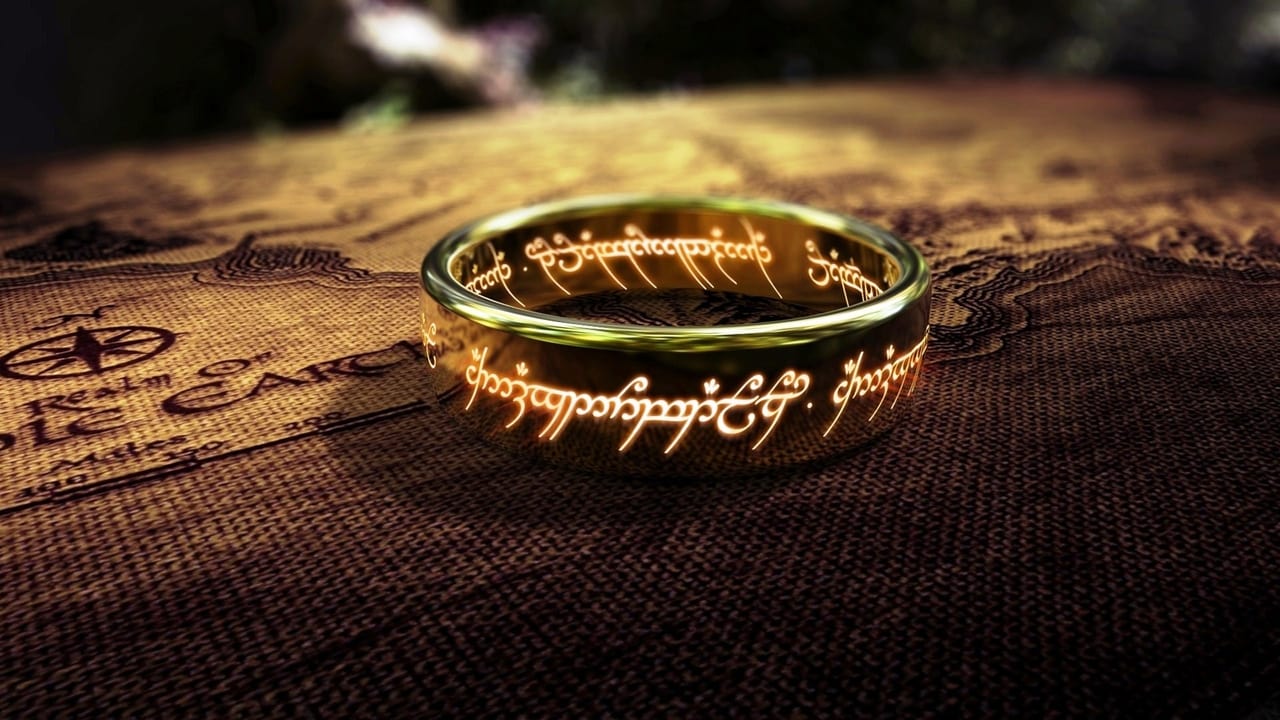
Lord of the RingsComplete Watch Order Guide
Peter Jackson's Lord of the Rings trilogy is widely regarded as the greatest film trilogy ever made, and one of the most ambitious productions in cinema history. All three films were shot simultaneously in New Zealand over 15 months. The watch order is simple: start with The Fellowship of the Ring and follow the Ring to its conclusion.
Lord of the Rings Release Timeline
What order should you watch the Lord of the Rings movies?
Release order — click any era to expand or collapse. All 3 released films shown below.
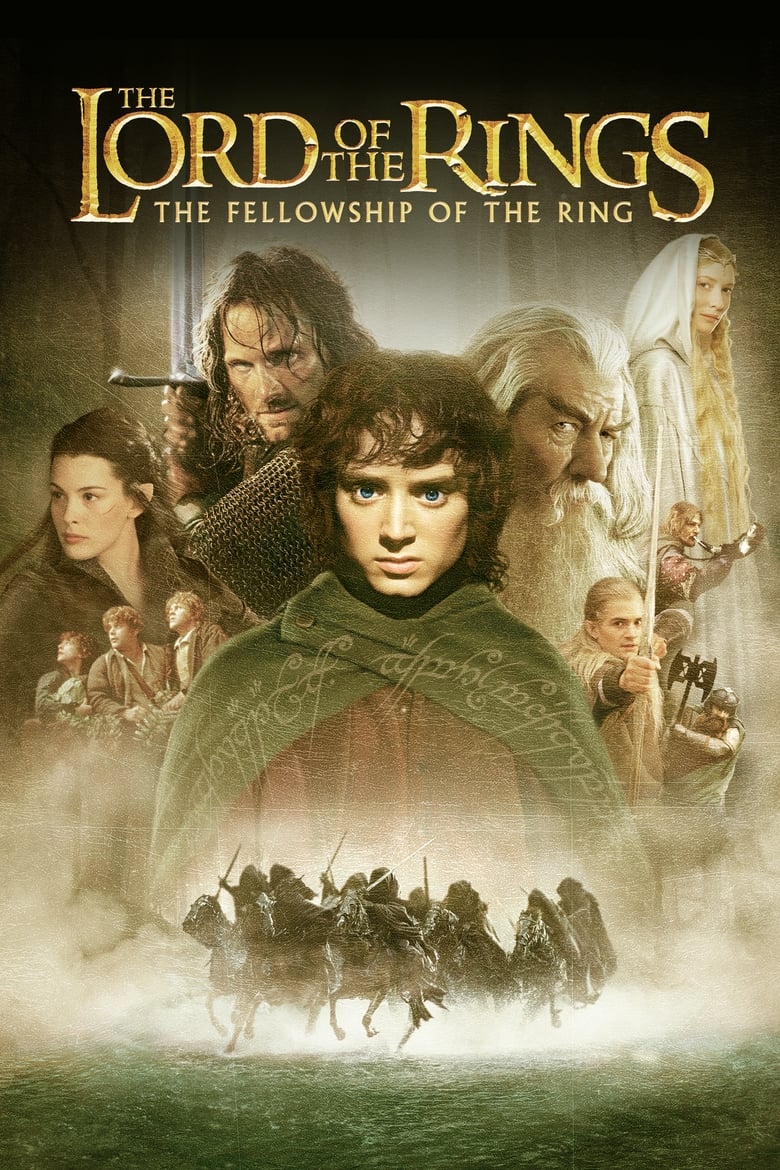
The Fellowship of the Ring (2001) introduces Frodo, the One Ring, and the fellowship assembled to destroy it. Peter Jackson's adaptation balances Tolkien's world-building with urgent narrative momentum. The Extended Edition adds 30 minutes and is recommended for first-time viewers who have the time — it enriches the lore considerably.
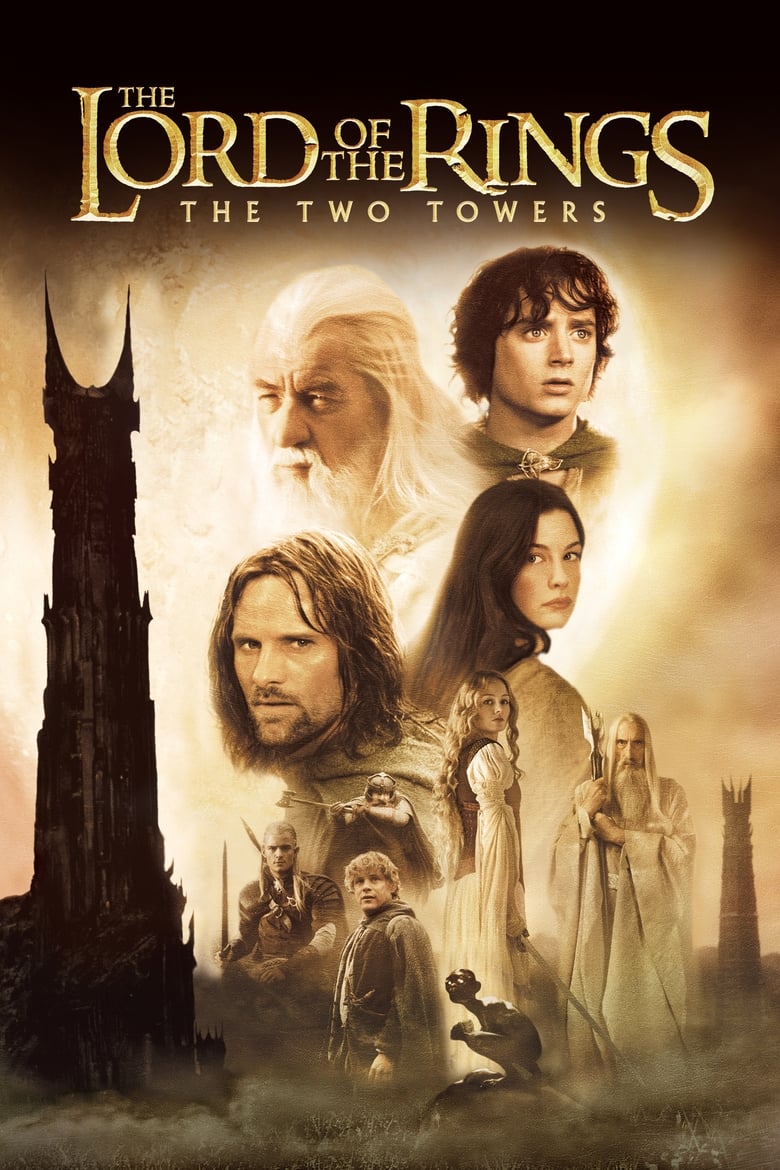
The middle chapter splits the fellowship across multiple storylines and delivers the Battle of Helm's Deep — one of the most technically demanding battle sequences in film history, involving 200 stunt performers and 3,000 extras.
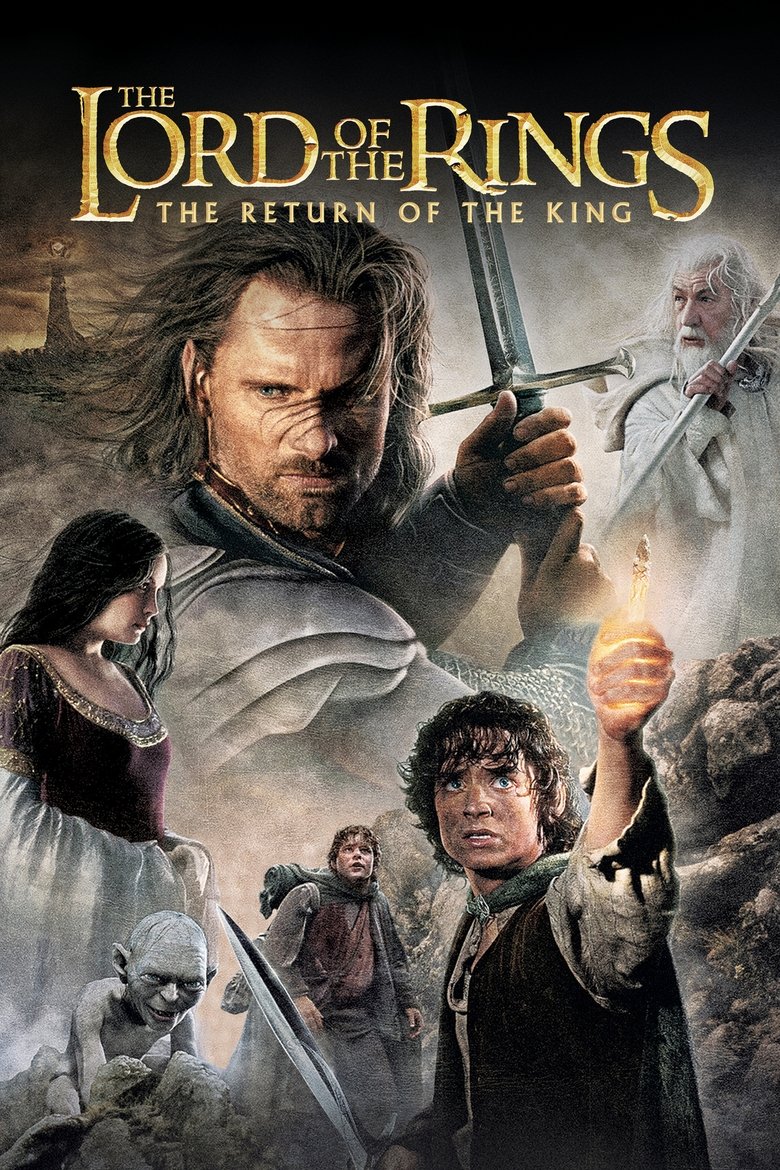
The Return of the King (2003) swept the Academy Awards with 11 wins from 11 nominations, tying Ben-Hur and Titanic for the most Oscars ever won by a single film. It remains the only fantasy film to win Best Picture.
Where to Slot in the TV Shows
These series expand the Lord of the Rings universe — here's exactly where they fit in the timeline.
The Rings of Power (Season 1–)
Set thousands of years before the events of Lord of the Rings during the Second Age of Middle-earth, covering the forging of the Rings of Power and the rise of Sauron. Shares the same universe but is a prequel story — best watched after the trilogy.
Watch Lord of the Rings in Order
Watch The Lord of the Rings movies in release order, starting with The Lord of the Rings: The Fellowship of the Ring (2001) and continuing through The Lord of the Rings: The Return of the King (2003). The series spans 3 films, released between 2001 and 2003. Audiences rate the franchise 8.4/10 on average.
What order should you watch The Lord of the Rings?
For most viewers, release order is the recommended way to watch The Lord of the Rings. This is how the story was crafted and revealed to audiences — earlier films seed details, callbacks, and twists that pay off in later entries. Watching in release order preserves those reveals and matches the pacing the filmmakers intended.
The Lord of the Rings largely tracks its own in-universe chronology, so release order and chronological order overlap closely. You can use either without losing much, though release order is still the safest first watch.
About The Lord of the Rings
The Lord of the Rings trilogy consists of three epic fantasy films, based on the influential novels written by J. R. R. Tolkien, directed by Peter Jackson.
Each film builds on the previous one, rewarding viewers who watch in sequence.
Lord of the Rings by the Numbers
Every figure below is calculated from the full film list on this page.
- 3
- Films released
- 2
- Years running
- 8.4/10
- Average audience rating
- 8.5/10
- Highest rated
- 8.4/10
- Lowest rated
The Lord of the Rings has 3 released films, the first in 2001 and the most recent in 2003.
The series has been running for 2 years, from 2001 to 2003.
Across its 3 rated films, The Lord of the Rings averages 8.4/10 on TMDB, from 80,255 audience ratings.
The highest-rated entry is The Lord of the Rings: The Return of the King (2003) at 8.5/10 on TMDB.
The lowest-rated entry is The Lord of the Rings: The Two Towers (2002) at 8.4/10 on TMDB.
Computed by Movies in Order from The Movie Database (TMDB) collection data for The Lord of the Rings, covering all 3 released films. Last recalculated September 2026.
Lord of the Rings Fun Facts & Trivia
All three LOTR films were shot back-to-back over 15 months in New Zealand, an unprecedented production approach at the time.
The Return of the King is one of only three films to win 11 Academy Awards, and the only one to achieve it with zero losses.
Viggo Mortensen (Aragorn) was cast just days before his first shoot day — he replaced Stuart Townsend, who was deemed too young.
Peter Jackson originally intended just two films before New Line Cinema demanded three.
Andy Serkis's motion-capture performance as Gollum pioneered a new form of acting that changed blockbuster filmmaking permanently.
The extended editions of all three films total 11 hours and 23 minutes — a commitment that fans consider essential.
Frequently Asked Questions
What is the best order to watch Lord of the Rings?
What is the first Lord of the Rings movie?
What is the most recent Lord of the Rings movie?
How many Lord of the Rings movies are there in total?
How long does it take to watch all Lord of the Rings movies?
What is the highest-rated Lord of the Rings movie?
Should I watch the Lord of the Rings TV shows?
Can I watch Lord of the Rings movies without watching them in order?
Where can I watch Lord of the Rings movies online?
More Movies in Order

Prime for Young Adults
Students and 18-24 year olds can try Prime free, then pay just $7.49/month plus tax (50% off the regular price).
Up to 4 years or age 25, then renews at regular Prime price. Cancel anytime. Terms apply.
Want the classic franchise overview?
See the original timeline, full stats, and editorial intro on the franchise overview page.
View Classic Franchise Page →